
Corbières, Béziers, coast & more
Day trips around Narbonne
The best thing about Narbonne: within half an hour you are in a different world — among vineyards, in a medieval village or with your feet in the sand. These are the trips we keep driving ourselves, every address with a Google Maps link.
The Corbières loop
Our favourite full-day outing is a loop through the wine country south-west of Narbonne — Lagrasse, the furthest point, is only about 45 minutes away. Here is the whole route; take in as many stops as you feel like. If you would rather have walls and towers than wine country, head the other way: Carcassonne is 45 minutes away. A ★ marks our favourite stops:
- Domaine d'Aussières — the Rothschild estate right on the way: excellent reputation, very fine wines, a very refined tasting — almost too polished for our taste, but you drive straight past it anyway.
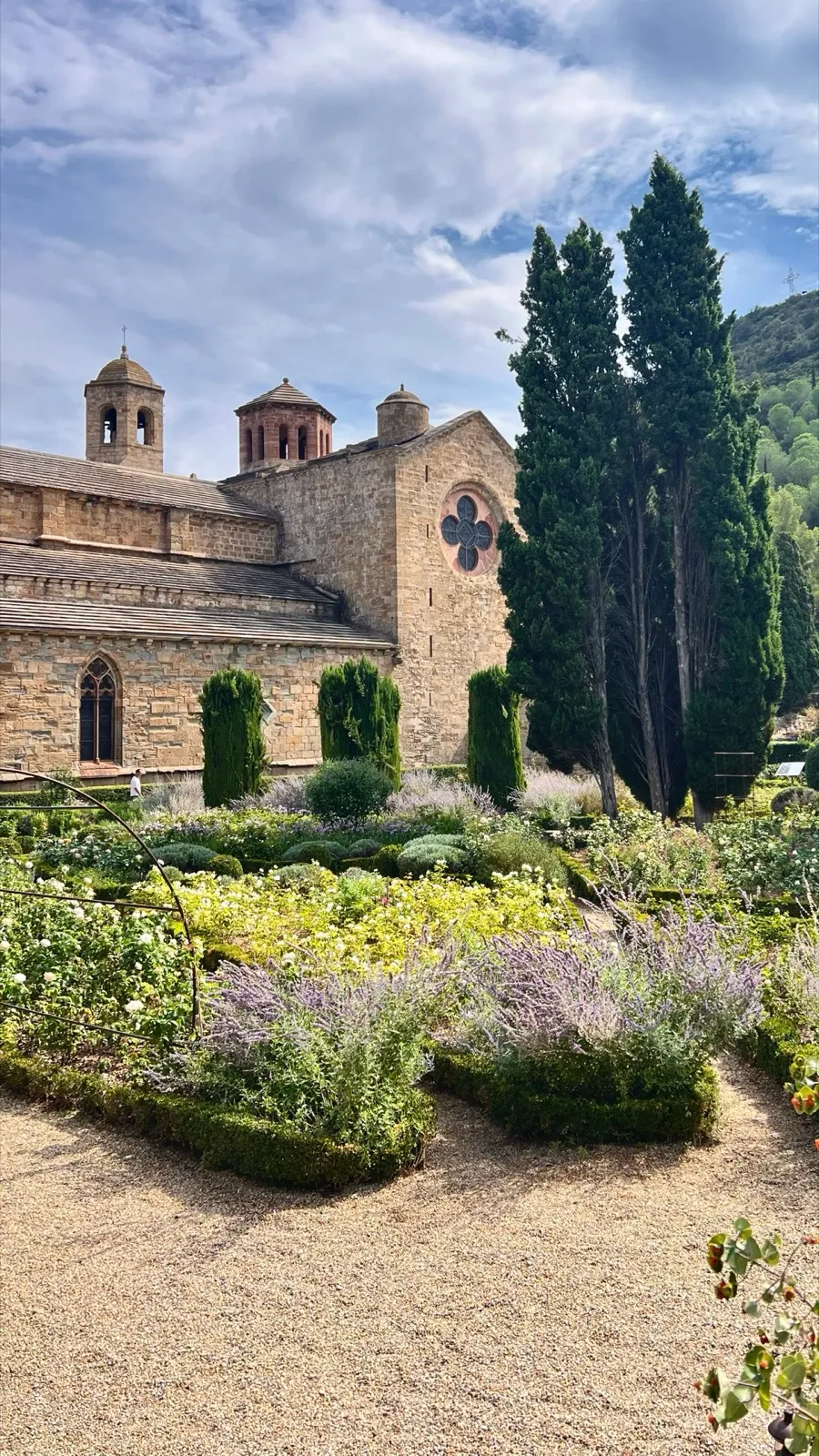
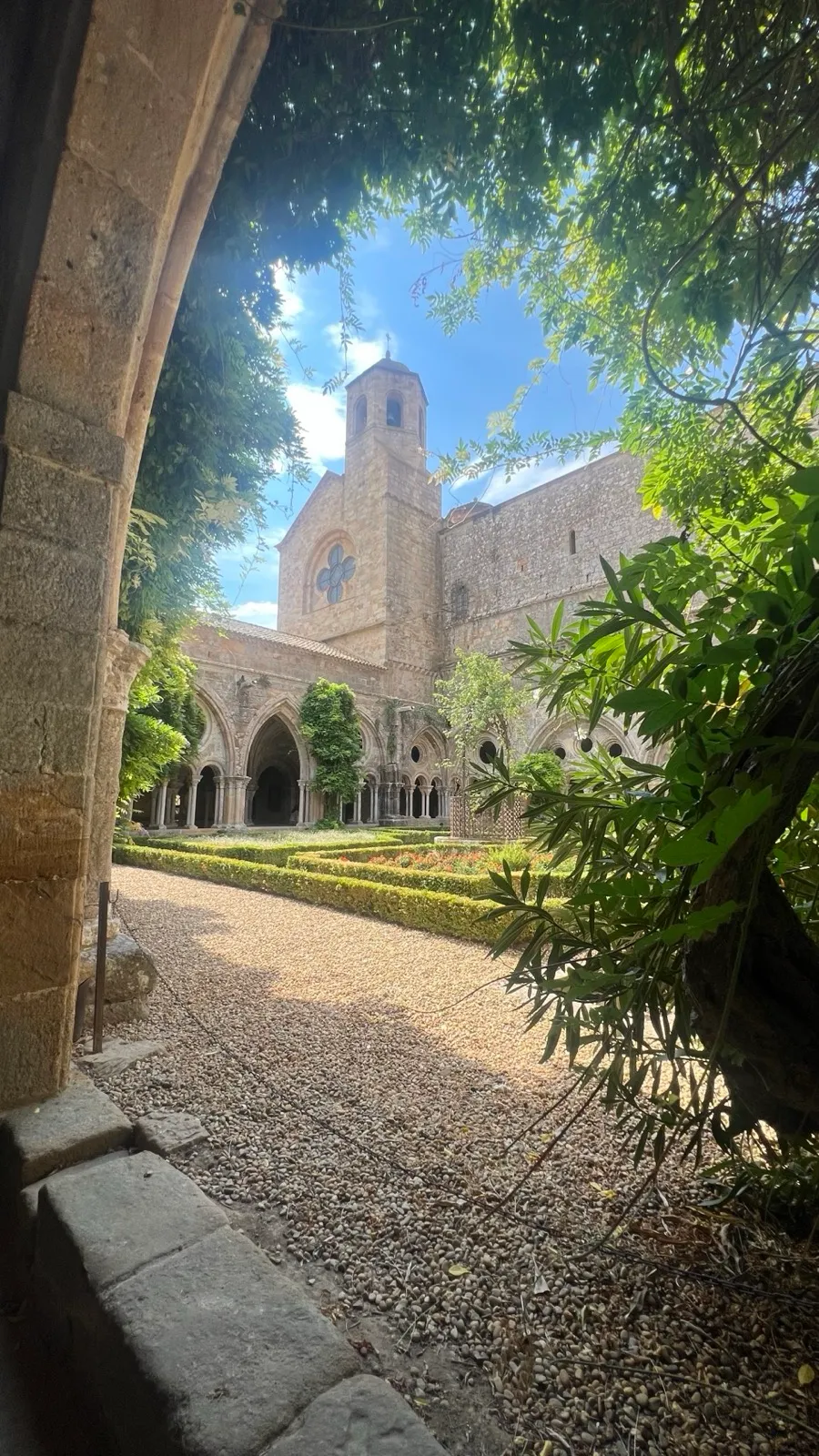
- Abbaye de Fontfroide ★ — the Cistercian abbey with the most beautiful monastery garden we know. For lunch, the Table de Fontfroide in the former sheepfold is a lovely spot. Tickets and hours: fontfroide.com.
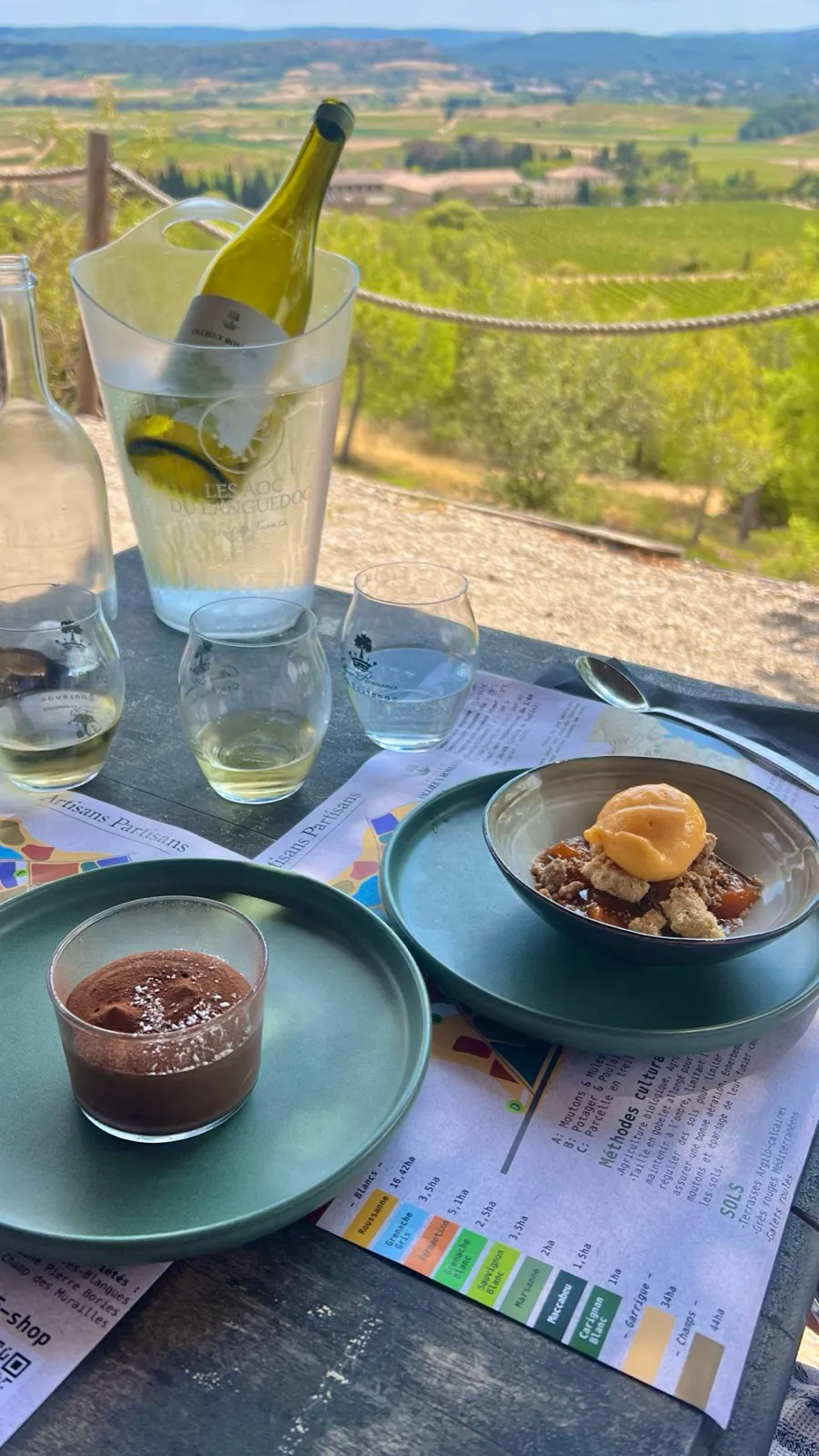
- Château Ollieux Romanis — tastings with a view all the way to the Corbières hills.
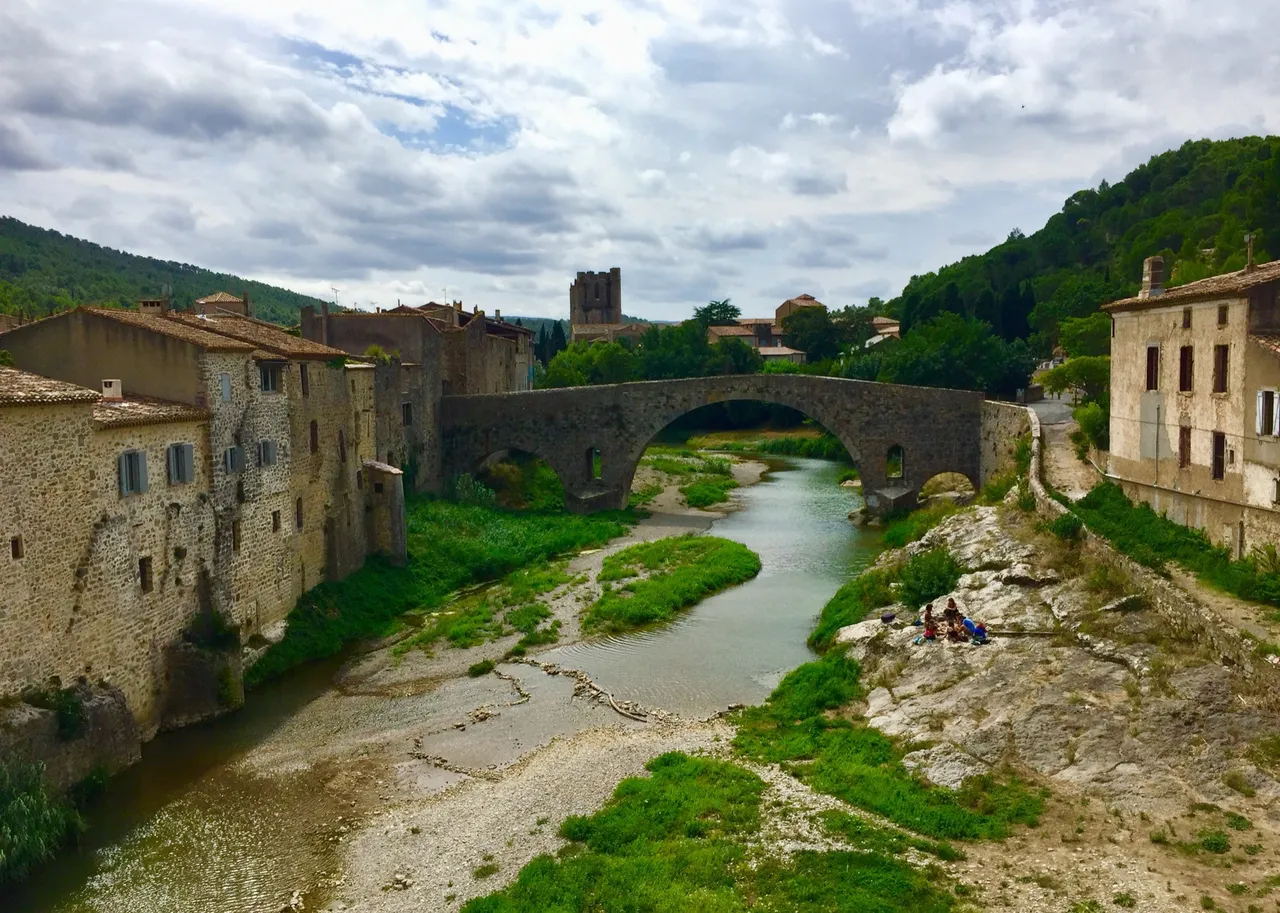
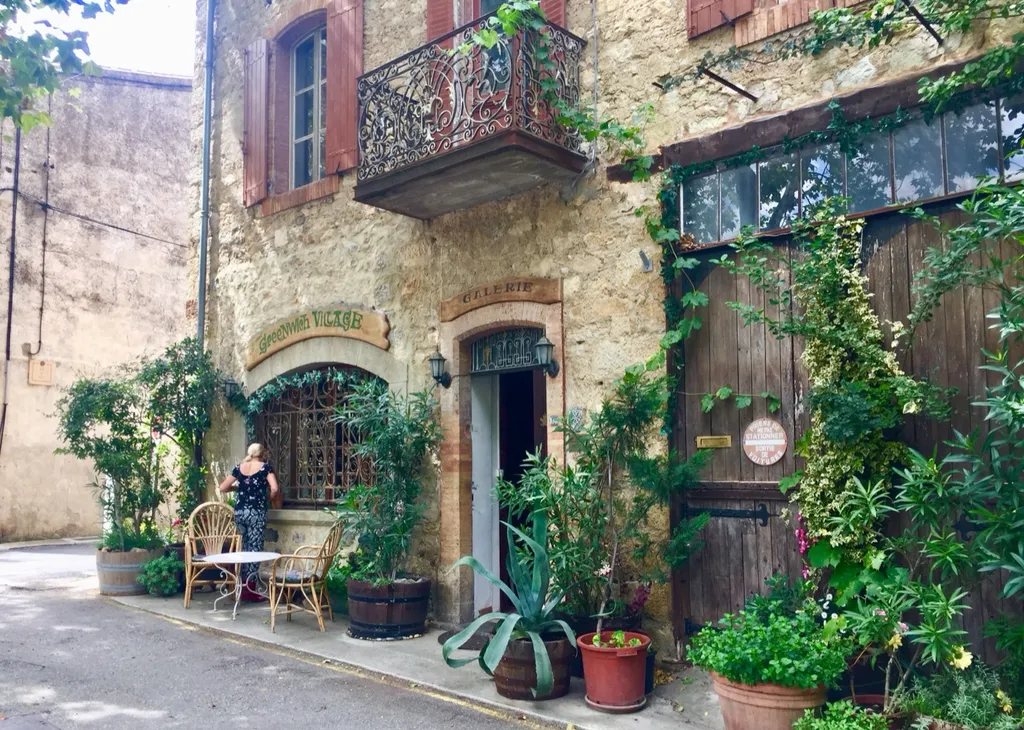
- Lagrasse ★ — one of the “most beautiful villages of France”, and rightly so: old bridge, abbey, lanes full of ateliers — and lunch on the promenade along the Orbieu. Worth half a day on its own.
- Château Saint-Estève — our love story: we drank their Astréos cuvée in a tapas bar in Gruissan and liked it so much that we simply drove over. Small, unfussy, warm-hearted — we left with a case.
- Château de Lastours — beautifully set among garrigue hills, a modern winery building, plus a restaurant with a good reputation.
- Terra Vinea — underground wine cellars in a former gypsum mine. Honestly: we have not been yet — but if you like subterranean worlds, plan a stop.
- Château Prat de Cest — to finish the loop: a family estate since 1804, right on the ancient Via Domitia at the gates of Narbonne.
And to end the day perfectly, add Bages or Peyriac-de-Mer — see the next section.
Bages & Peyriac-de-Mer — just across the water
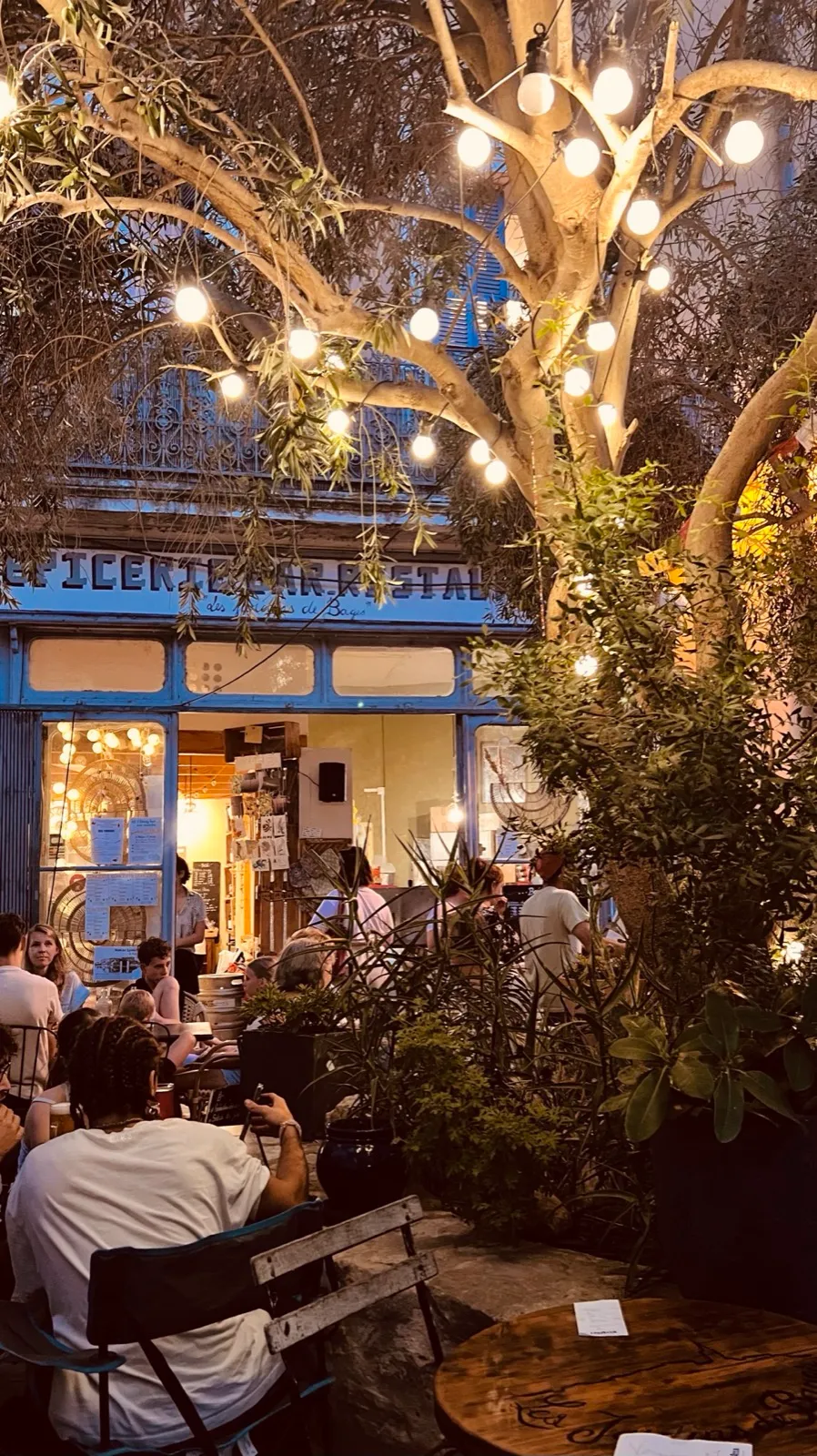
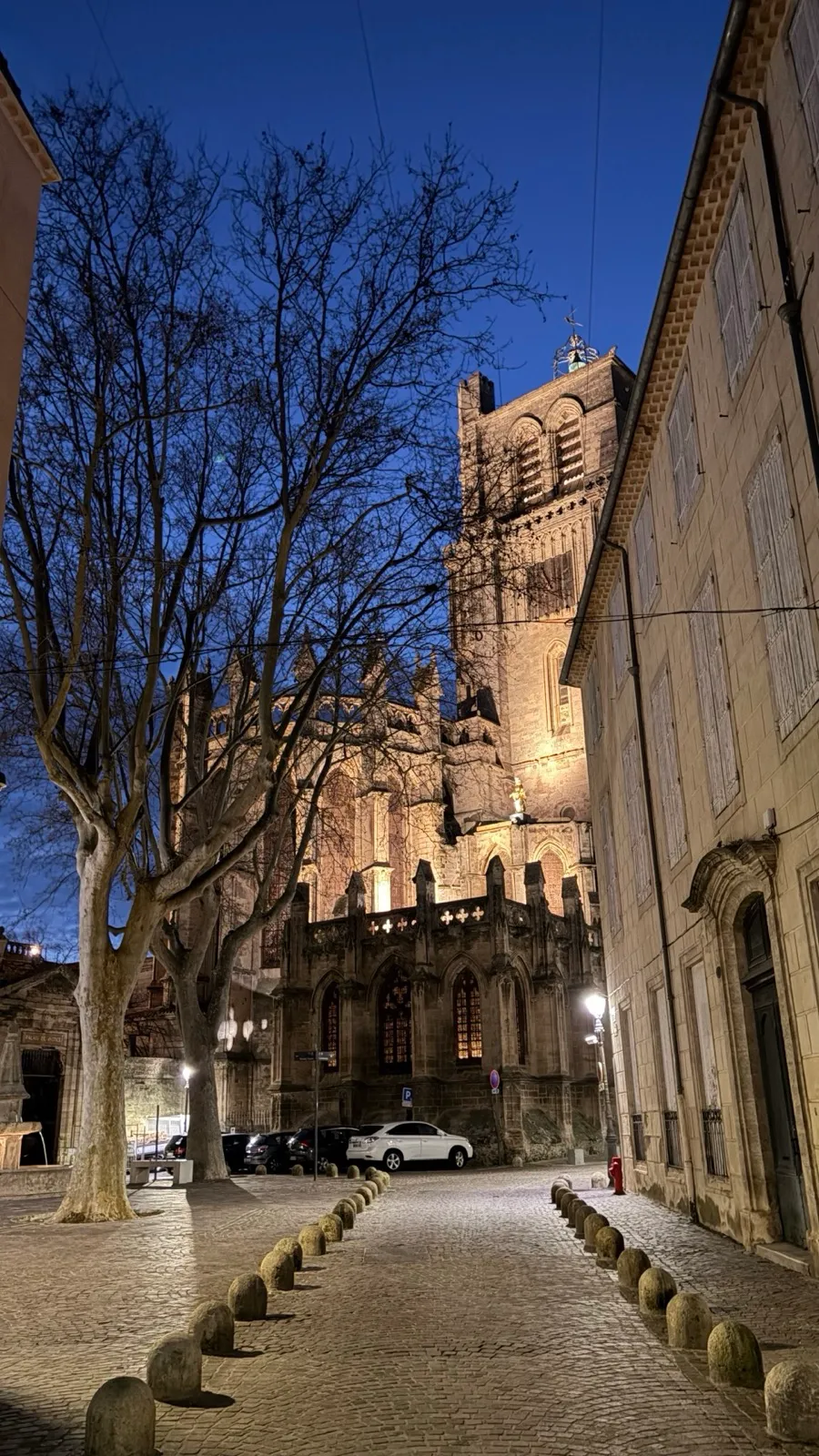
You can see Bages from Salty Dayz: the village clings to the hill on the other side of the lagoon — and from over there you look back at our shore (though you will have to search for the house 😉). For dinner we love Les Jardins de Bages: épicerie, bar and restaurant under fairy lights — and a few times each summer the little square in front becomes a concert stage. It hardly gets more romantic.
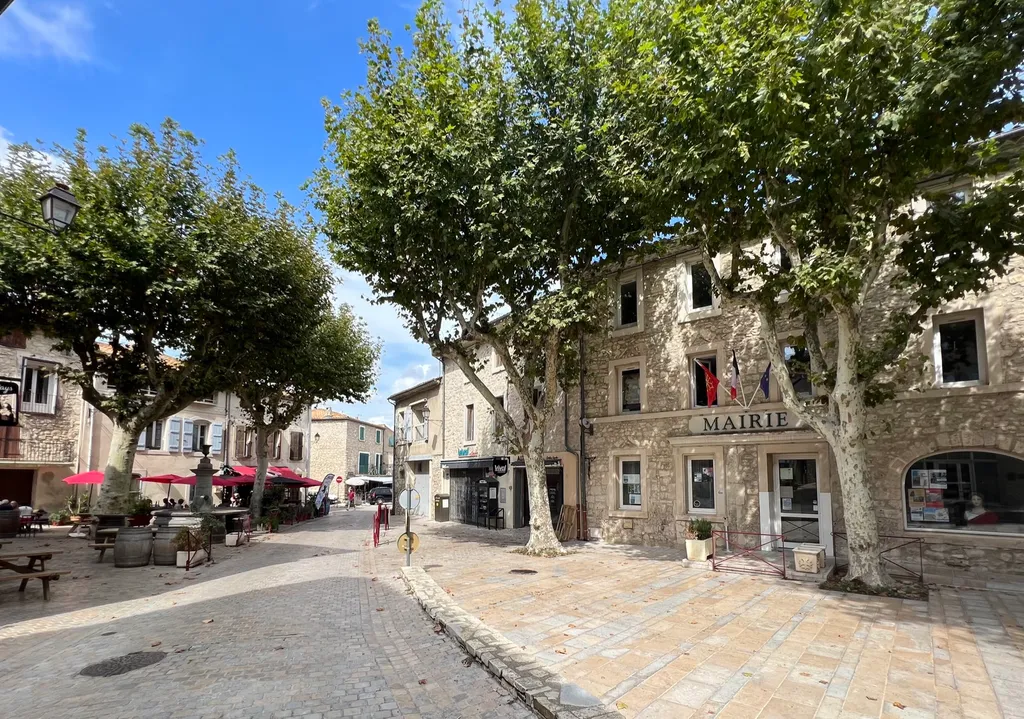
Next door, Peyriac-de-Mer is a picture-book plane-tree village, known for the wooden boardwalk that crosses the old salt pans right over the water — a lovely walk before dinner.
Béziers
A good half hour away — and our favourite city trip apart from Narbonne itself. Wander the little lanes of the old town, browse the small shops, then climb up to the Saint-Nazaire cathedral with its view over the Orb. Even the Polygone shopping centre is worth a look here: green, half-open, surprisingly pretty for a mall. On the edge of town, the Nine Locks of Fonseranes climb the Canal du Midi — UNESCO World Heritage, still on our own to-do list.
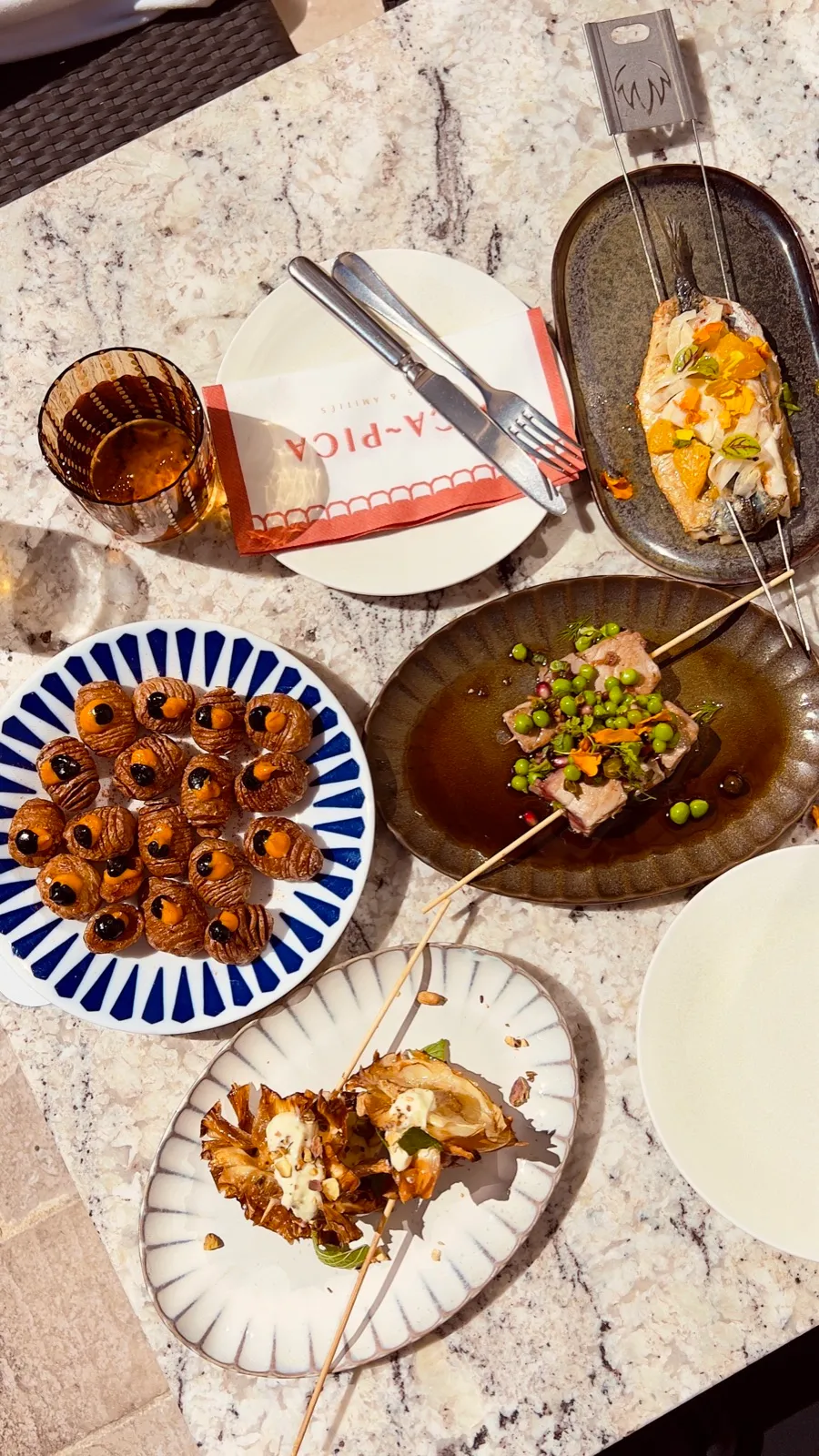
For eating out we have had plenty of good evenings: Pica Pica for tapas, the wine bistro Le Chameau Ivre, Le Patio with its courtyard, the bistronomy of La Table de Jean — and for a special occasion the Michelin-starred Calice.
Leucate — beach, fish & beer
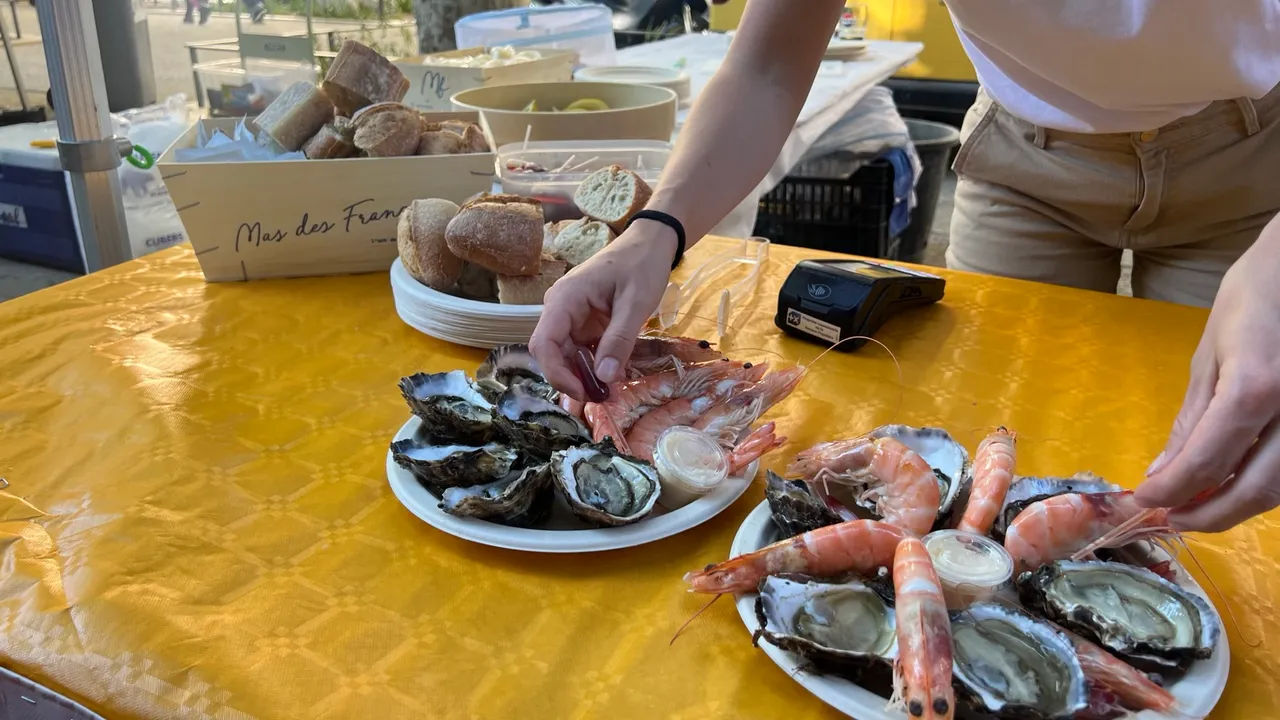
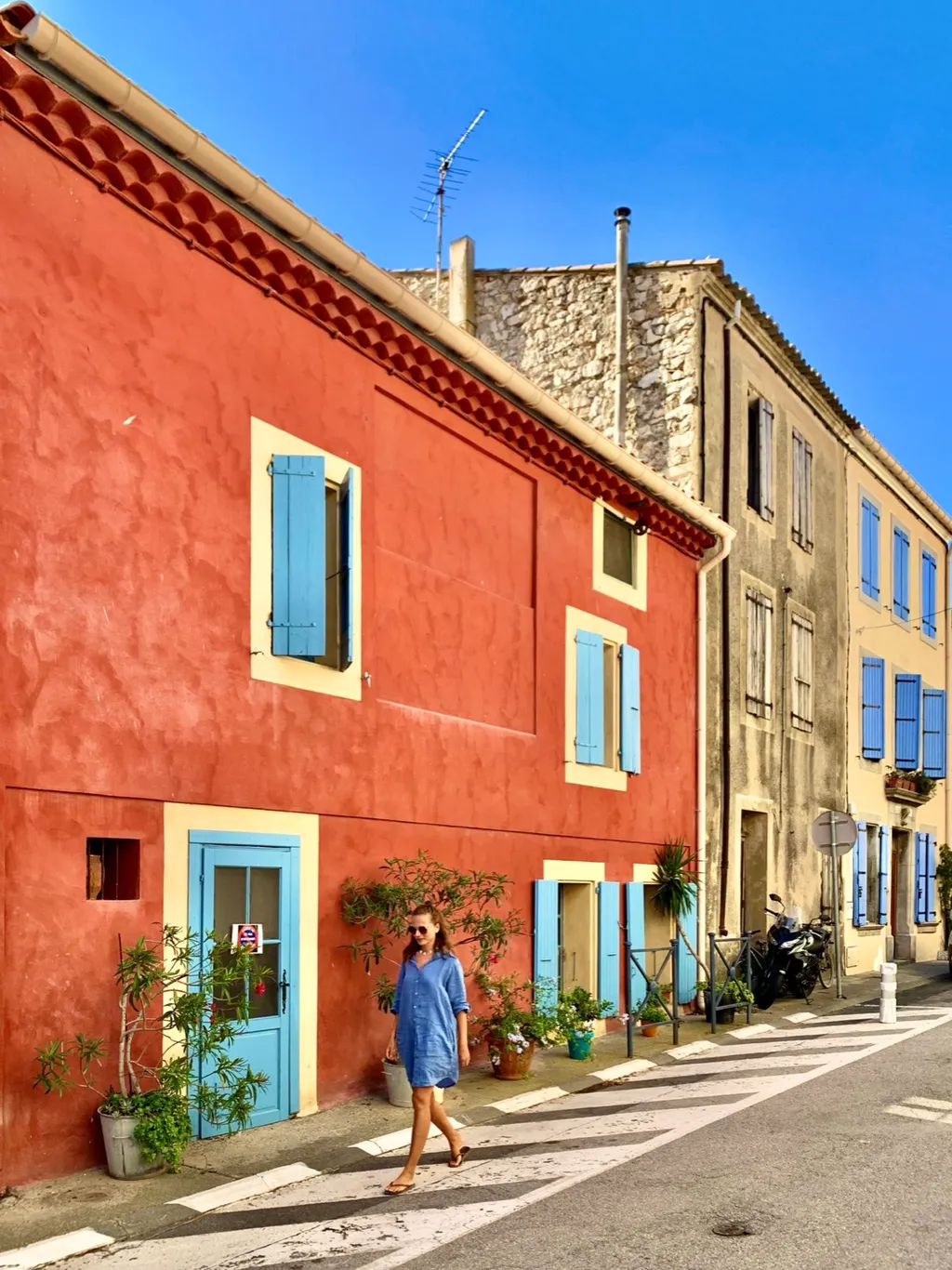
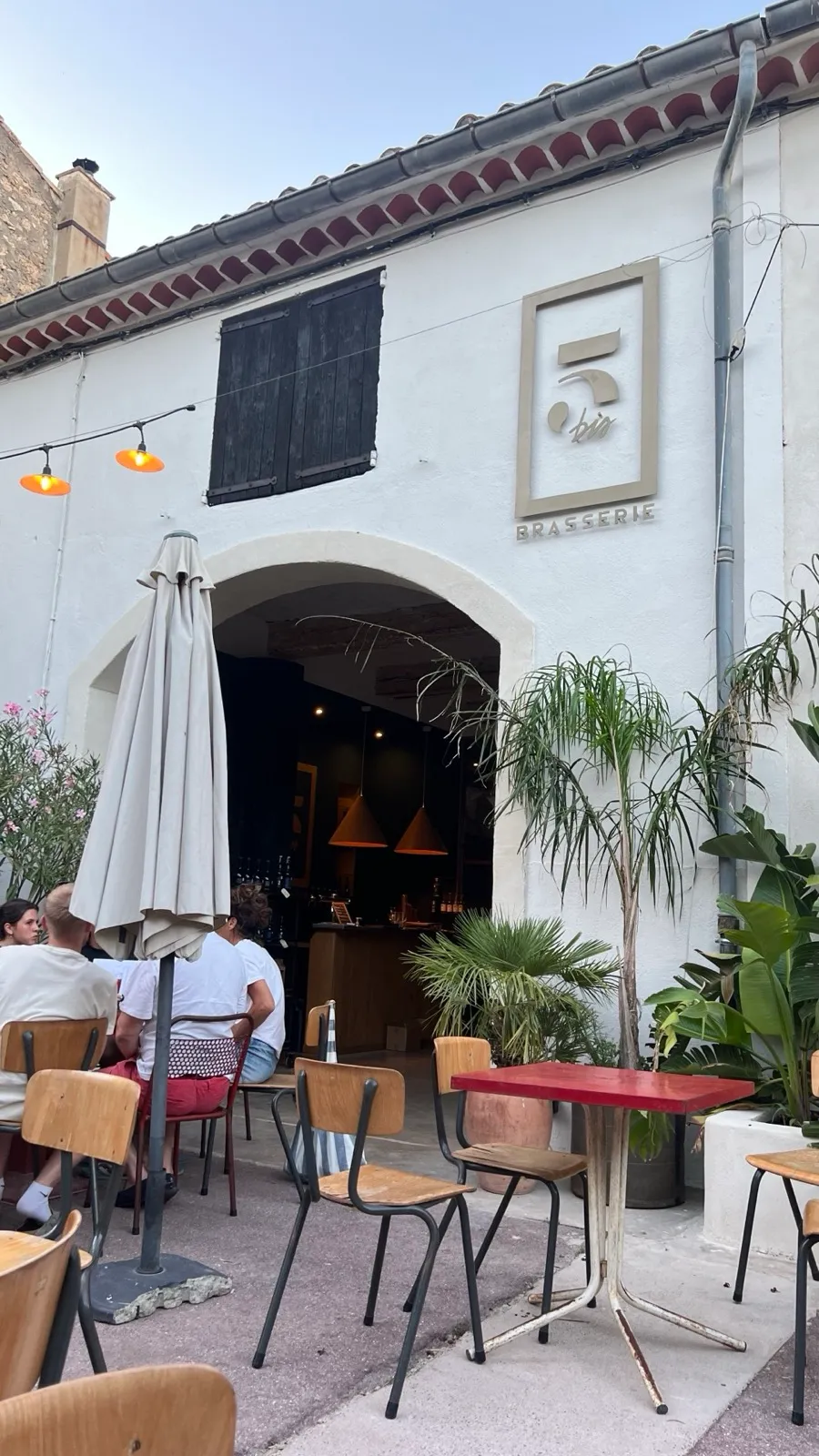
Half an hour south lies Leucate: a village of colourful façades, beaches and oyster farms. For eating out we like Le 35 Bis with its palm-shaded terrace and Le Grand Cap up on the cliff. And if you have been wondering where the pretty beer bottles all over the region come from: they are brewed by the Brasserie 5bis in neighbouring La Palme — worth dropping in, they serve tapas too.
On the way you pass the Réserve Africaine de Sigean — a safari in your own car, with rhinos, giraffes and flamingo colonies. We have honestly never made it inside ourselves, but especially with children the park is a classic. Tickets are sold online only: reserveafricainesigean.fr.
Les Cabanes de Fleury — the wild north
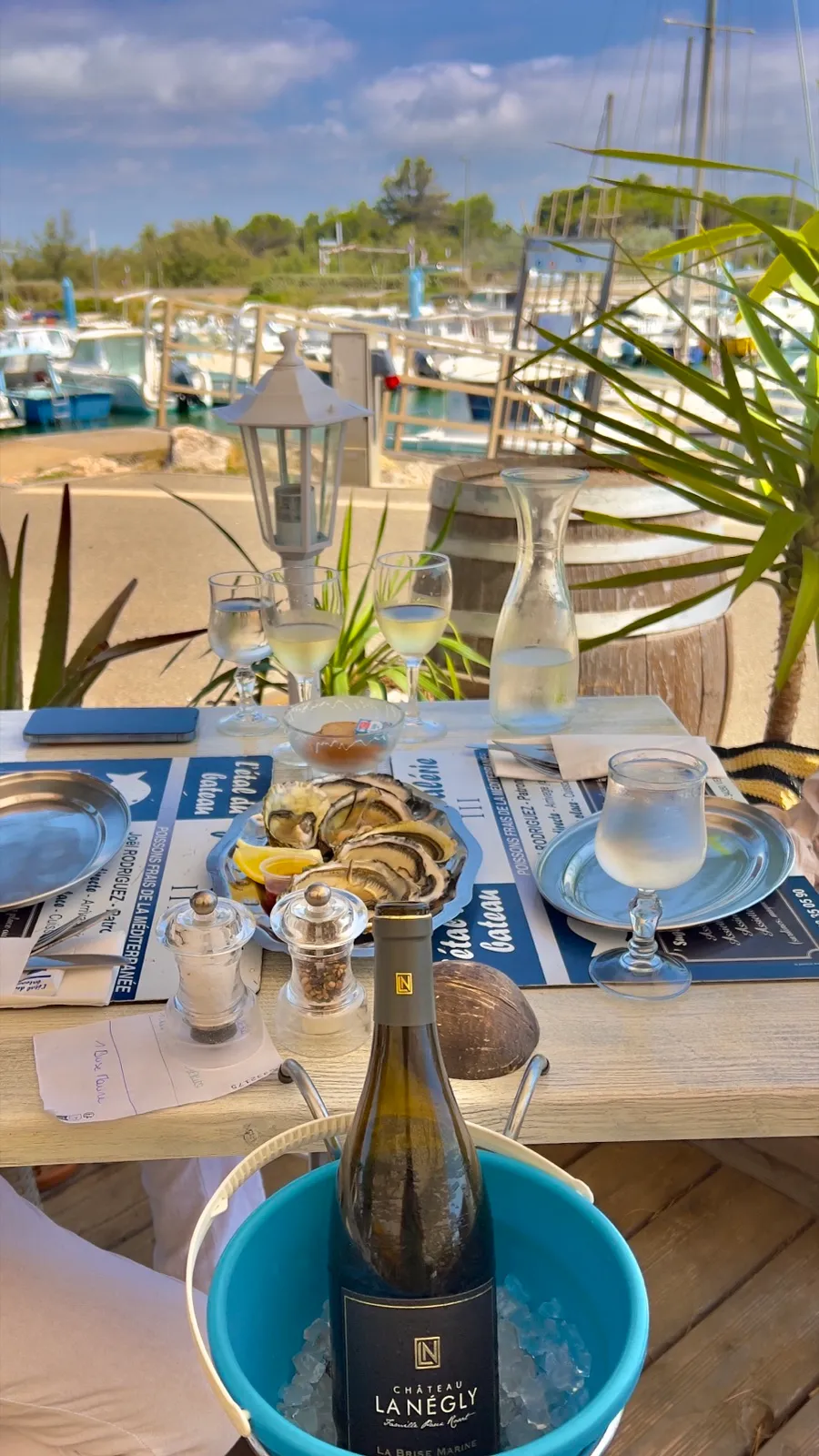
On the far side of La Clape, where the Aude river meets the sea, lies our spot for wild beach days: Les Cabanes de Fleury. Even the drive is a pleasure — the road runs along the rugged edge of La Clape. For lunch we sit at the little harbour of Port du Chichoulet, preferably at Joël et Valérie: fish straight off the boat, harbour flair, no frills.
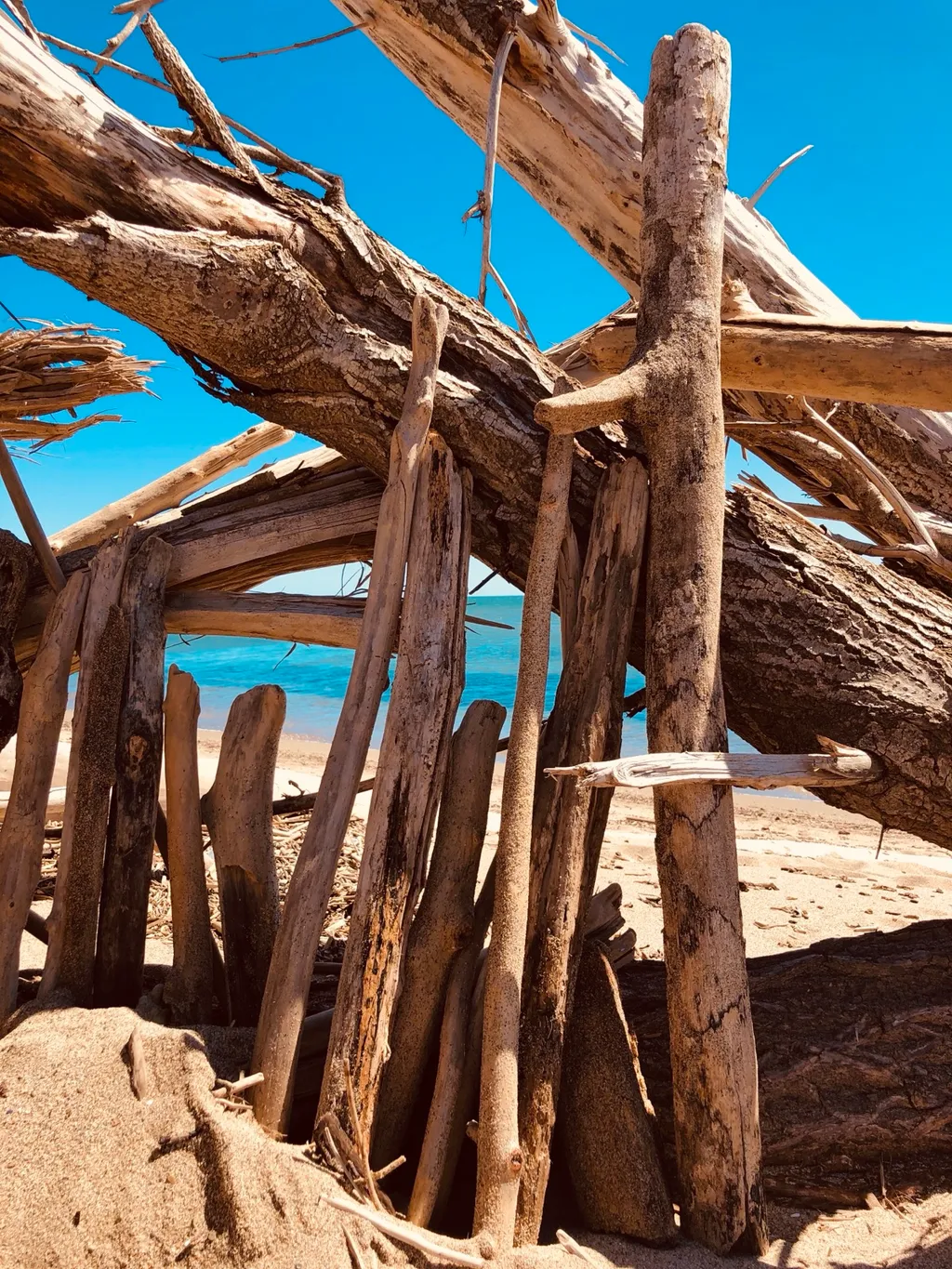
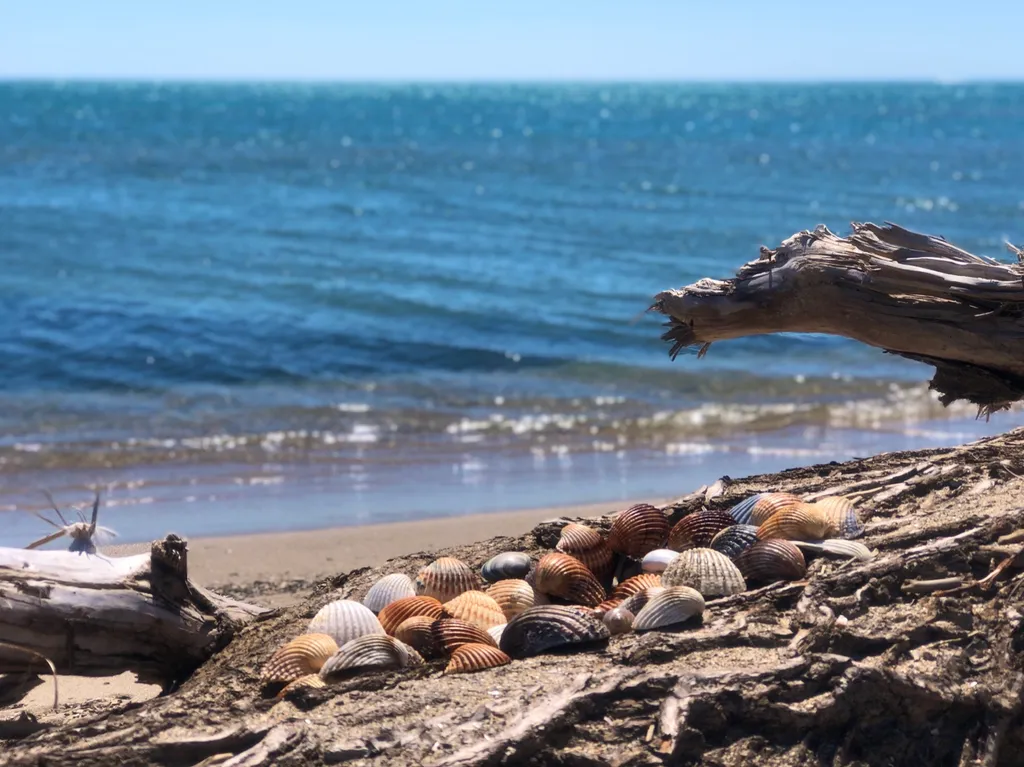
The beach at the Aude mouth is wilder and emptier than Gruissan, and the water somehow looks even bluer here — the further right you walk, the quieter it gets (nude bathing is common there too). In some years plenty of driftwood piles up on the sand, and people build little beach forts from it.
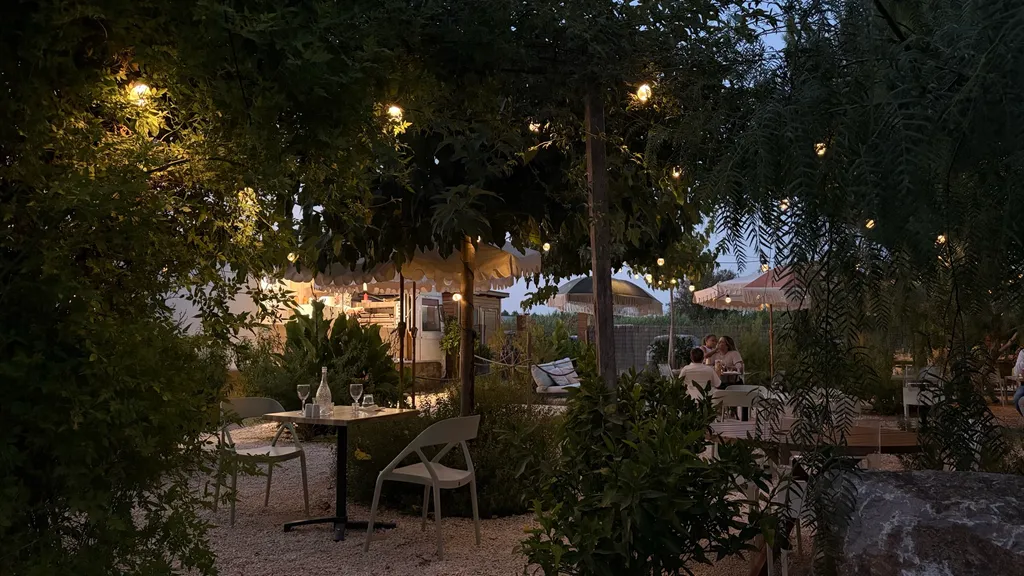
For the way back there are three lovely options: La Table de Loréna at the La Tour la Pagèze estate, right on the Route des Cabanes — the truffle menu was terrific, and our spontaneous evening with live music amid the vines is a lasting memory. The second we owe to our pool technician Pierro: La Flammerie, hidden in the small industrial estate of Fleury — unremarkable from the outside, and behind it a lovingly run guinguette gem with gravel underfoot, string lights in the trees and a beach feeling far from any beach. Or, on Wednesdays, the summer ritual: Les Retours de Plage at Château La Négly, 6 to 10 pm with live music, the estate's wines and sharing boards — La Clape's answer to the Jeudis de Béziers (book ahead!). More on the wineries of this corner in our La Clape article.
Le Somail — the picture-book port on the Canal du Midi
Twenty minutes north by car lies Le Somail, a tiny 17th-century canal port that looks as if someone built it for postcards: humpback bridge, chapel, plane trees — and two curiosities in the middle of it. In the antiquarian bookshop Le Trouve-Tout du Livre, tens of thousands of books from the 17th century to today pile up in an old wine cellar, and moored at the quay is Le Tamata, a floating corner shop selling bread, wine and ice cream straight from the boat.
If you want to get on the water: Le Comptoir Nature hires out licence-free electric boats right at the port (roughly April to early November) — and to the west waits the longest lock-free stretch of the Canal du Midi. One thing up front, though: you cannot get here by rental boat from Narbonne — a good ten locks lie in between. The little boats in Narbonne are made for the Robine, the ones in Le Somail for the Canal du Midi.
For those who want to go further
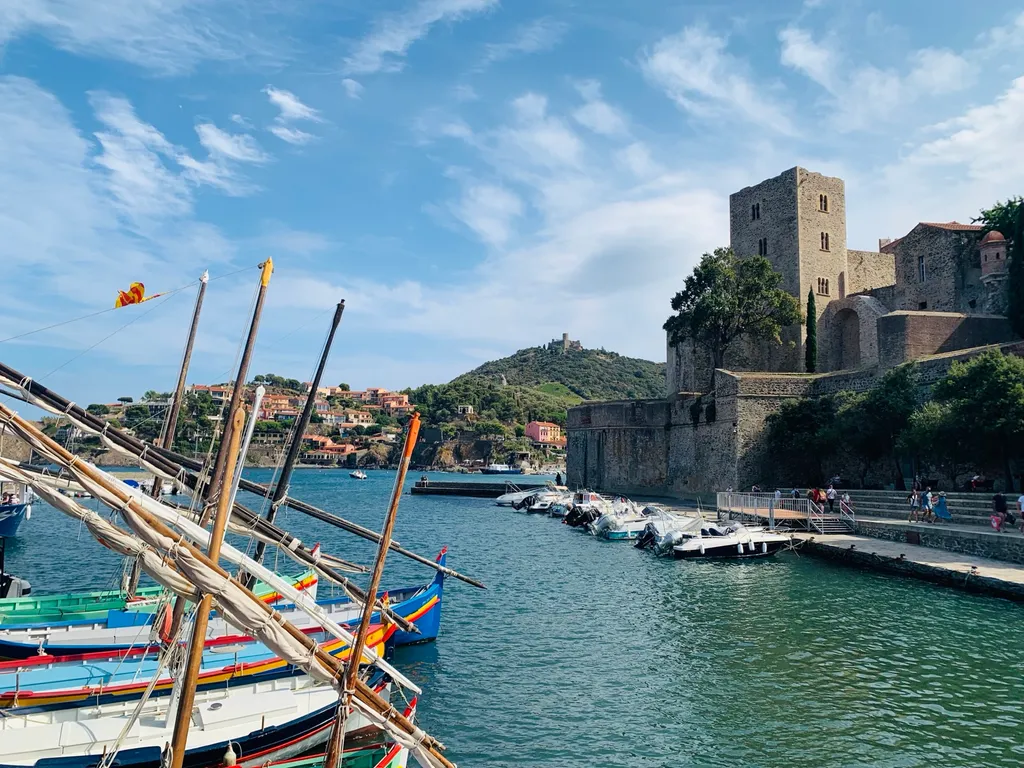
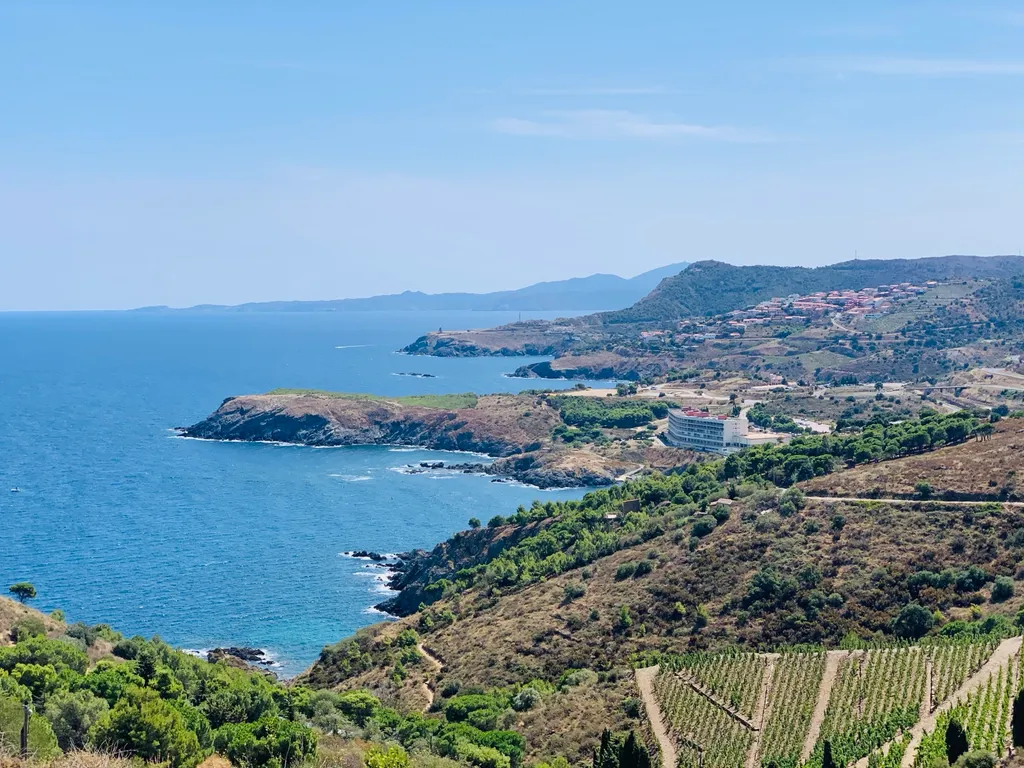
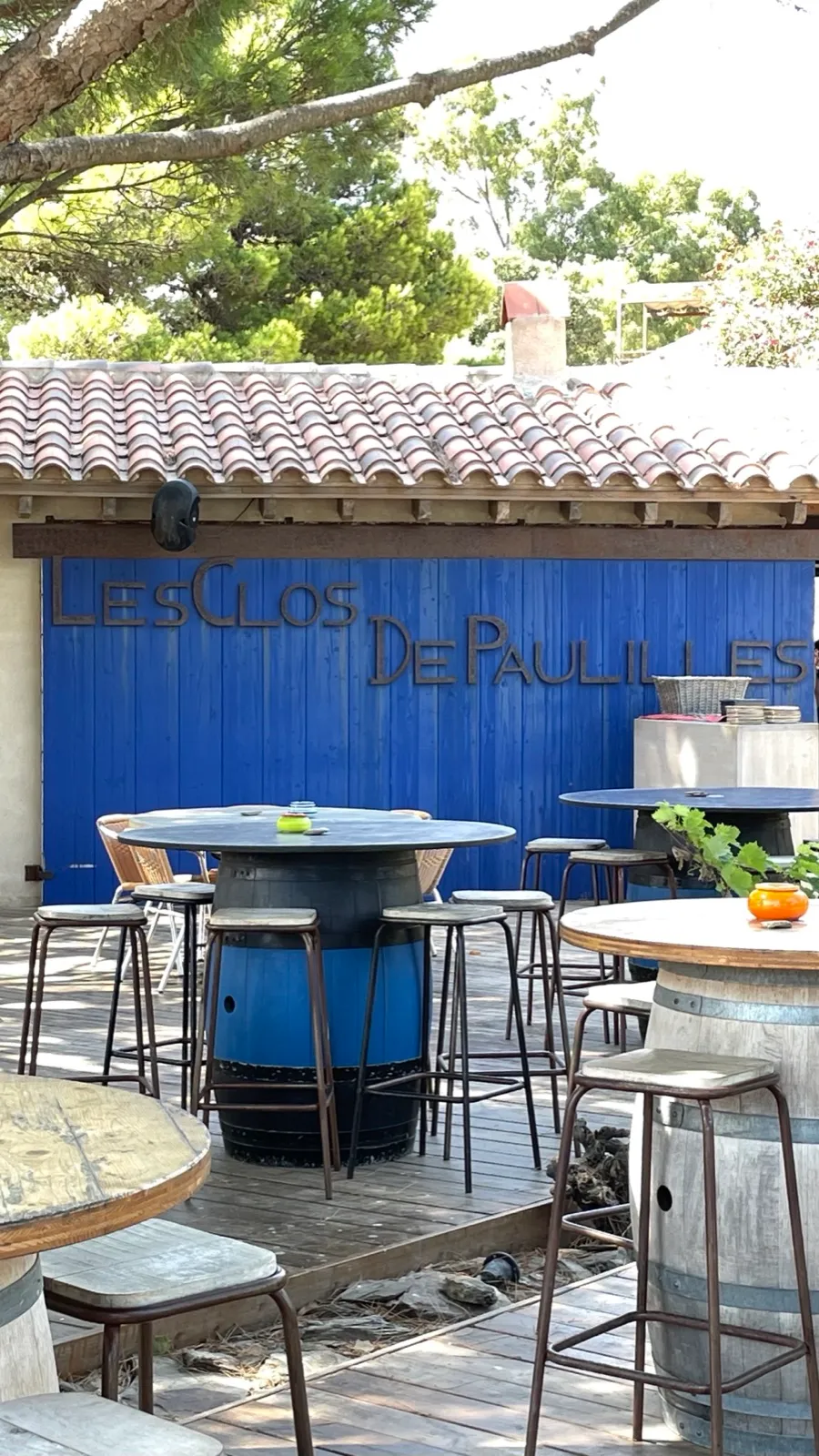
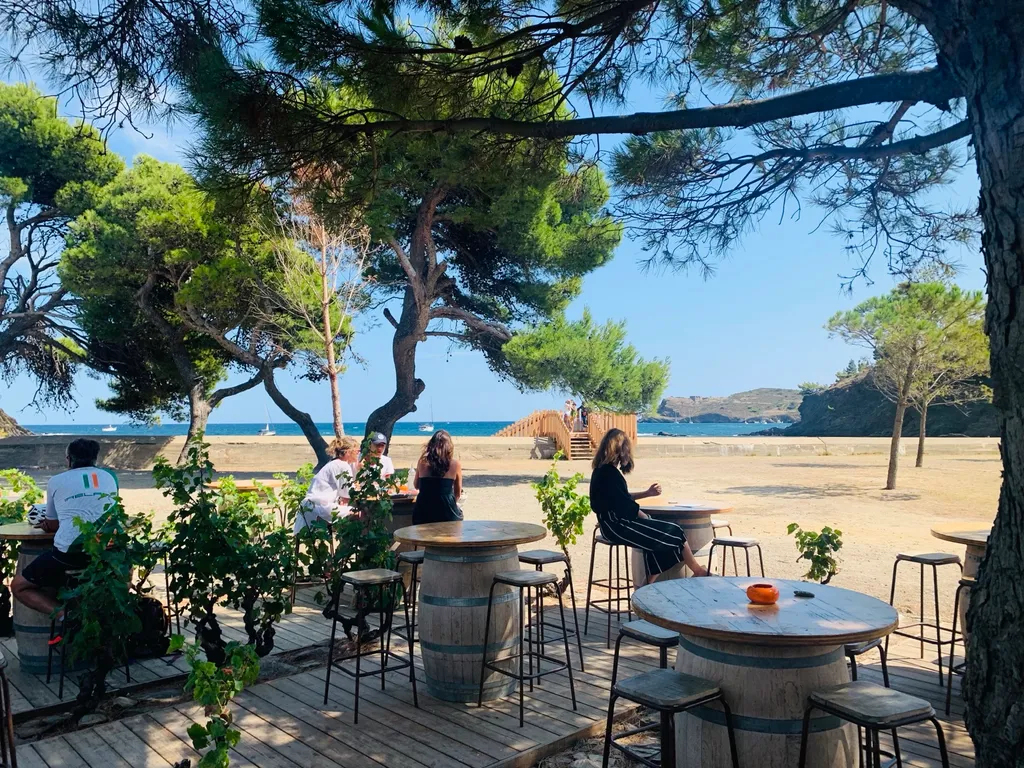
Côte Vermeille — a good hour south, and then you are almost in Spain: the coast road winds its curves through vineyards that fall into the sea, and driving it is genuinely fun. Our routine: arrive early in Collioure (picture-book pretty, correspondingly full in summer), then lunch one village on at El Taps in Port-Vendres — Brazilian-influenced cooking, and home of the best salmon burger of our lives so far 😅. Afterwards the Plage de Paulilles with the sun loungers of Sole Mio, and to finish, the beautifully set Les Clos de Paulilles wine estate — restaurant, bistro, good wine.
Montpellier — the dynamic student city is about an hour away: Place de la Comédie, wandering the little lanes of the old town, and in the evening the Halles du Lez food hall with its rooftop. If you like, add an oyster stop at the Étang de Thau on the way.
Frequently asked questions
- Only time for one day trip — which one?
- The small Corbières loop: through the vineyards to the Abbaye de Fontfroide in the morning, lunch there at the Table de Fontfroide or on to Lagrasse for a meal on the promenade — and dinner in Bages on the way back. Wine country, an abbey, a picture-book village and lagoon views in a single day.
- What works with children?
- The Réserve Africaine de Sigean — a safari in your own car, just 20 minutes away. Beach in Leucate or Gruissan afterwards. The Nine Locks of Fonseranes near Béziers are surprisingly exciting for kids too, when a boat happens to be climbing the staircase.
- Which day is best for Béziers?
- In summer: Thursday. The Jeudis de Béziers turn the Allées Paul Riquet into an evening wine and food festival with live music — and the town-centre shops stay open late.