
Through the vineyards into the Middle Ages
Carcassonne
A forty-five-minute drive through the vineyards — and you are standing before the largest preserved fortified town in Europe. The Cité of Carcassonne, with its double walls and more than 50 towers, is a UNESCO World Heritage site, a film set and a childhood dream in one. For us, the most rewarding day trip in the whole region.
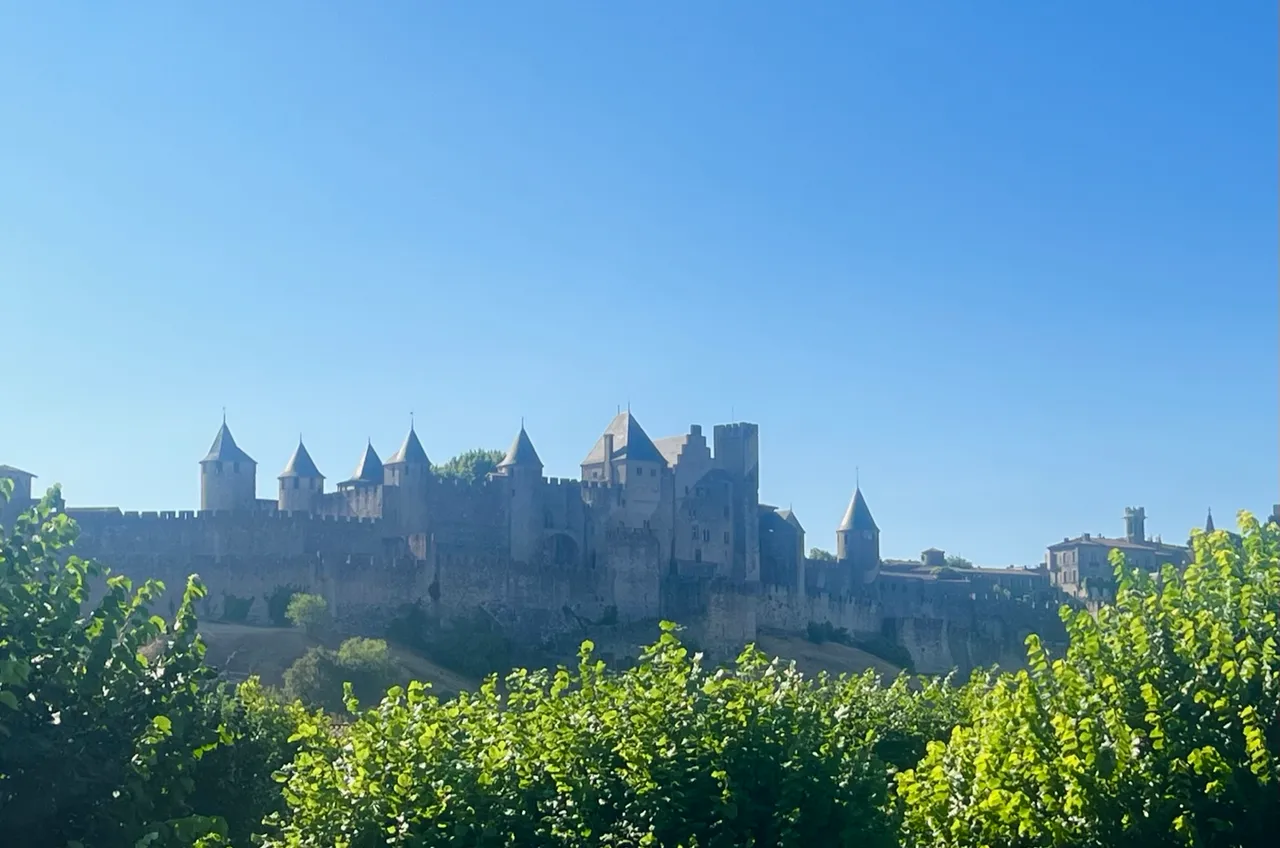
2,500 years of history behind double walls
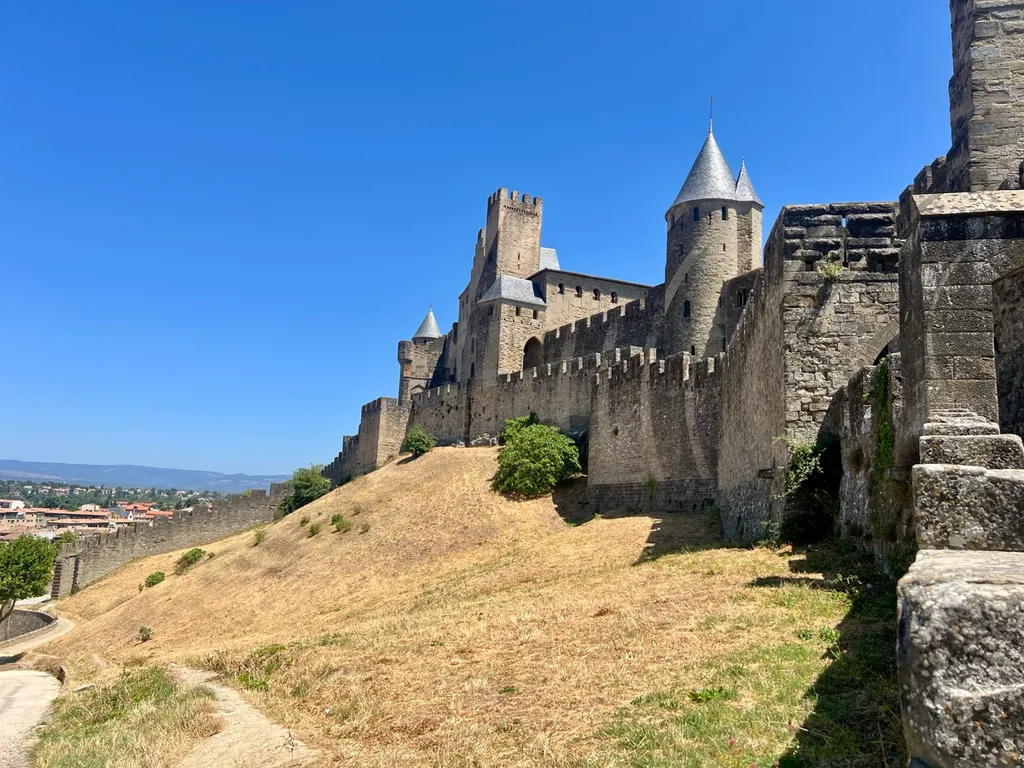
The Romans settled the hill above the Aude as early as the first century BC and drew the first ring of walls in the third century AD; in the 13th century it grew into the mighty fortress town with two rings of walls and around three kilometres of wall-walks. That it stands so fairy-tale-like today is thanks to the architect Viollet-le-Duc, who saved it from demolition in the 19th century and restored it — the Cité has been a UNESCO World Heritage site since 1997. Down in the lower town, by the way, the Canal du Midi flows past the station — Carcassonne is a double World Heritage site. The "new" old town (the Bastide Saint-Louis) can be taken in, but honestly does not have to be: the magic is up in the Cité.
How to make the most of the Cité
- Timing is everything: come early or stay into the evening — at midday the tour coaches push through the lanes; in the morning and evening the Cité is almost yours.
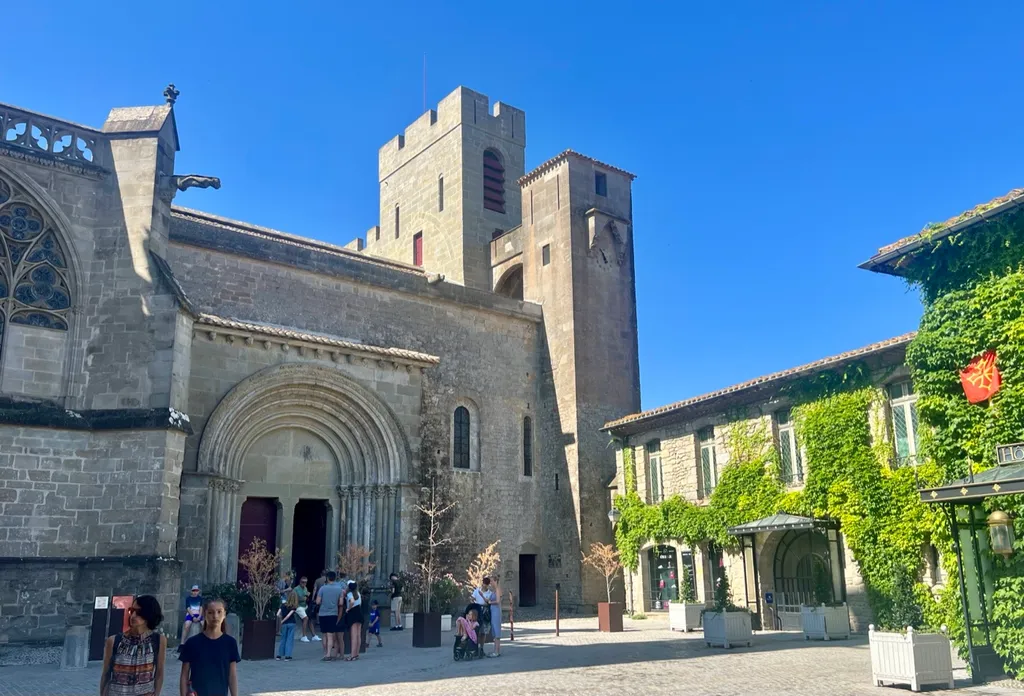
- Free: wandering the fortified town and the basilica of Saint-Nazaire with its famous stained glass. You only pay admission for the Château Comtal and the wall-walk along the ramparts — the view over the double walls is at its best from up there (tickets: remparts-carcassonne.fr).
- The best photo spot: down at the Pont Vieux across the Aude — from the old bridge you get the classic postcard panorama of the whole Cité.
- Once a year the castle burns: on 14 July, Bastille Day, the legendary fireworks "L'Embrasement" make the Cité appear to go up in flames.
A break with cassoulet
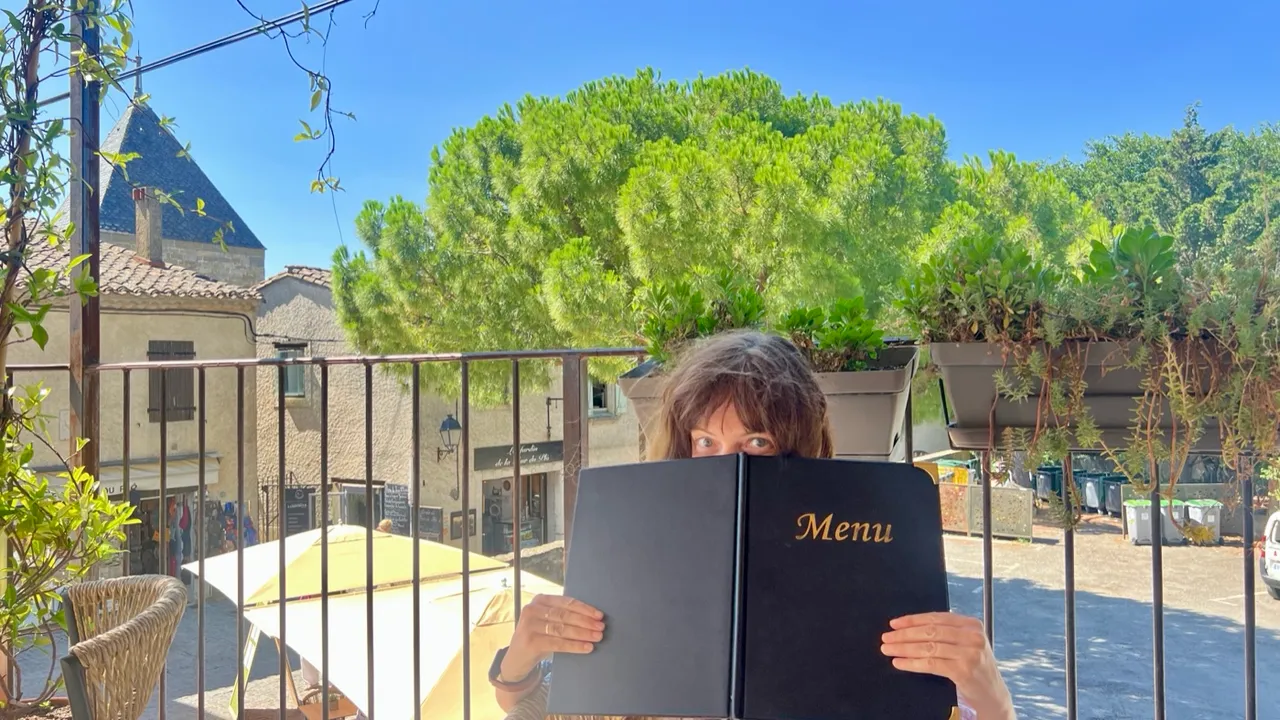
Carcassonne is the capital of cassoulet — the hearty stew of white beans, sausage and duck. You will find it on almost every terrace in the Cité — our tips: Au Petit Puits or Chez Christine. We take the choosing of the menu very seriously. Afterwards, only a walk along the ramparts will help.
A château next door: Pennautier
Just a few minutes north of the Cité stands the Château de Pennautier, known for good reason as the “Versailles of the Languedoc”: its symmetrical gardens were laid out by André Le Nôtre — the very man behind Versailles. The baroque château of the Lorgeril wine family can be visited, and its sprawling park is a wonderful place to slow down. A quiet contrast to the bustle of the fortress town — and yes, there is wine to taste.
On the way back: Lagrasse
If you want to stretch the day, drive back through the Corbières and stop in Lagrasse — officially one of the most beautiful villages in France, with an abbey, a medieval bridge and lanes straight out of a picture book. More on that in our day-trips article.
Frequently asked questions
- How far is Carcassonne from Narbonne?
- Around 60 kilometres — via the A61 you are there from Salty Dayz in about 45 minutes. Half a day is plenty; add Lagrasse on the way back and it becomes a full one.
- Does the Cité of Carcassonne charge admission?
- No — strolling through the lanes of the fortified town is free, as is the basilica of Saint-Nazaire. You only pay for the Château Comtal with its wall-walk along the ramparts.
- When is the best time to visit?
- Early in the morning or from late afternoon, once the day-trip coaches have gone — then the lanes are almost yours. Legendary: 14 July, when the Bastille Day fireworks seem to set the Cité ablaze.
- Is Carcassonne worth it with children?
- Absolutely — a real medieval castle with towers, battlements and a drawbridge is an adventure playground for kids. The wall-walks of the Château Comtal are the highlight.