The best Languedoc wines
Our wine region: La Clape
The Languedoc is France's largest wine-growing region — and right in the middle, between Narbonne and the sea, lies our personal highlight: the La Clape massif. From the garden of Salty Dayz you look onto its first rows of vines; the nearest estate is a walk away. Salt, rosemary and pines — you can taste La Clape in the glass.
Once an island — now a terroir to fall for
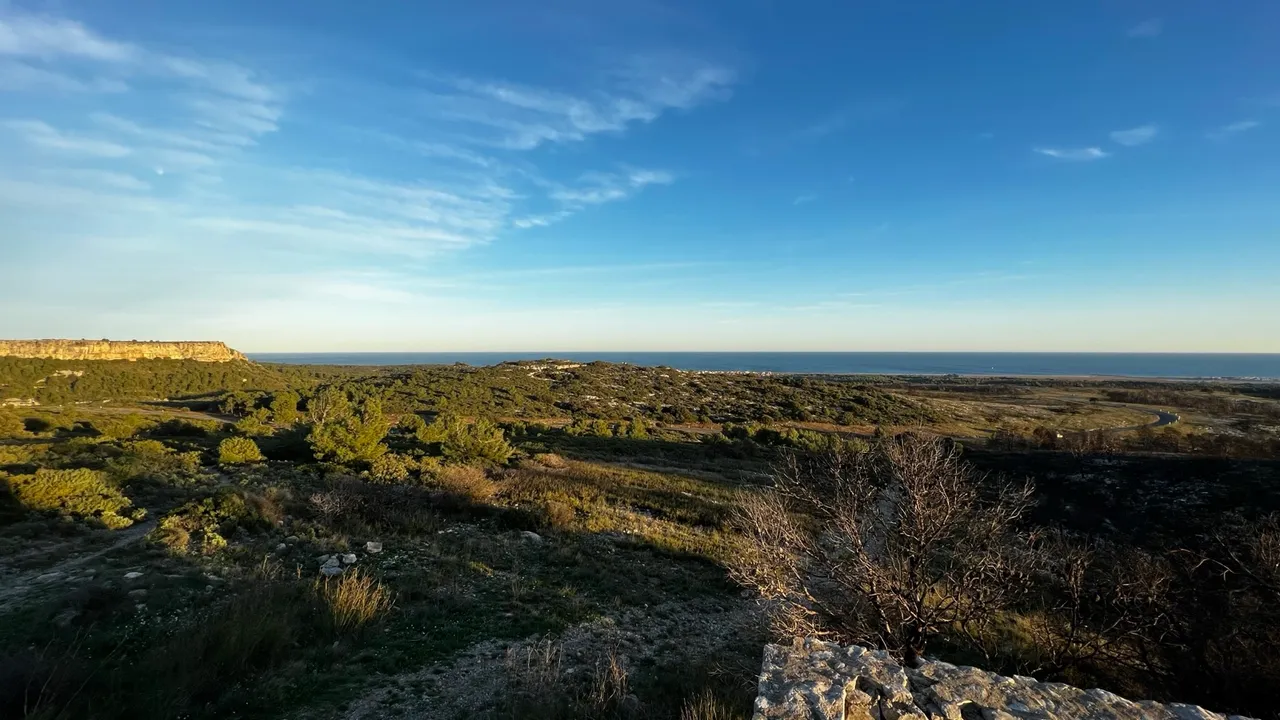
La Clape really was once an island in the Mediterranean; only the deposits of the river Aude joined it to the mainland. What remains is a rugged limestone plateau full of marine fossils, rising spectacularly between Narbonne and Gruissan — with vineyards that reach down to the sea. The limestone, clay and marl soils store water for the dry summers, the mistral and sea breeze ventilate the vines naturally (which is why a striking share of the vineyards here are farmed organically here), and the pine woods with their rosemary undergrowth give the wines their typical herbal note. Since 2015 La Clape has held the status of a protected appellation in its own right — the AOP is the seal of this unique terroir.
In the glass, that means: powerful, spicy red blends of Syrah, Grenache, Mourvèdre and Carignan, often with notes of herbs, dark fruit and liquorice — and, as a rarity, fresh, mineral whites from Bourboulenc and Grenache Blanc of a kind you hardly find elsewhere in the Languedoc.
Our favourite estates
Around 50 estates share the massif — about half of them we have visited and tasted ourselves by now. These three are the ones we recommend most, all 5 to 15 minutes from Salty Dayz:
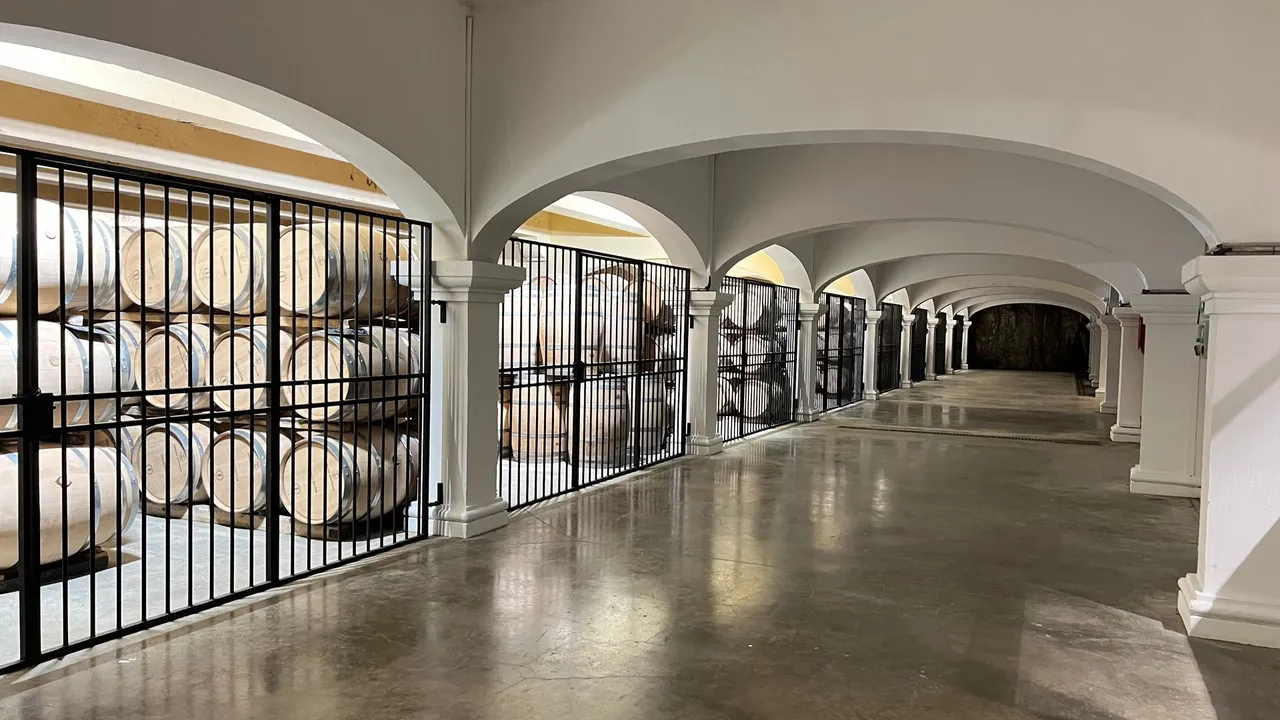
Sarrat de Goundy is our favourite: taste, design, philosophy, atmosphere, price — everything is simply right there. Tasting in the shop is free; if you want to go deeper, book a tour or a tasting with small plates. And in summer the estate also runs its own restaurant in the evenings — so a wine tasting happily turns into a long evening between olive trees and vines.
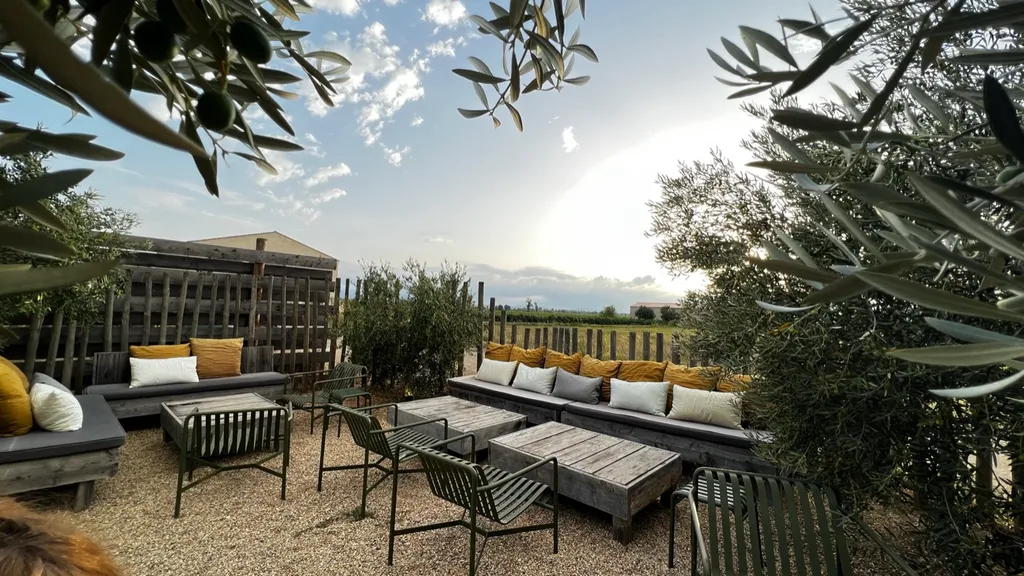
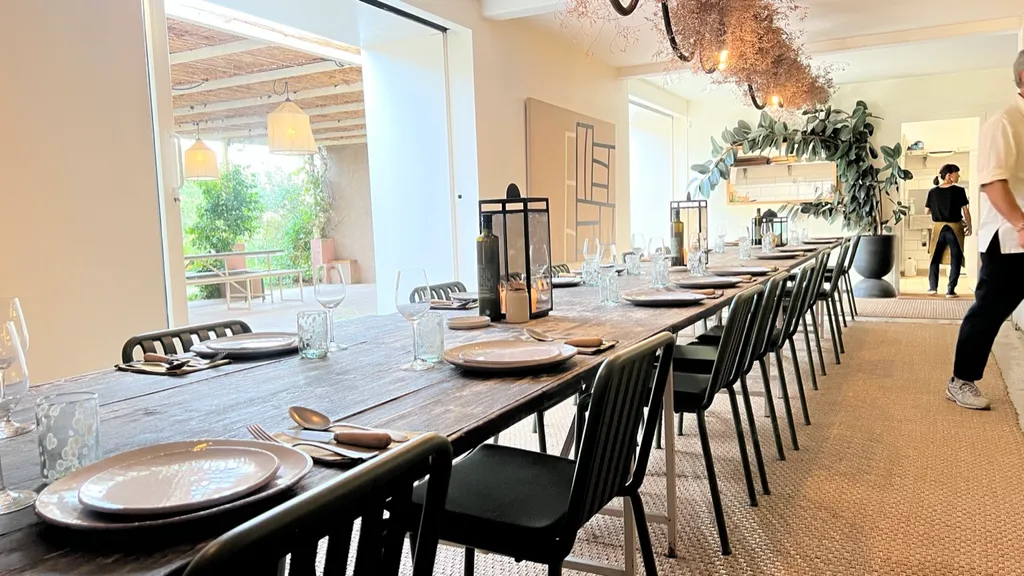
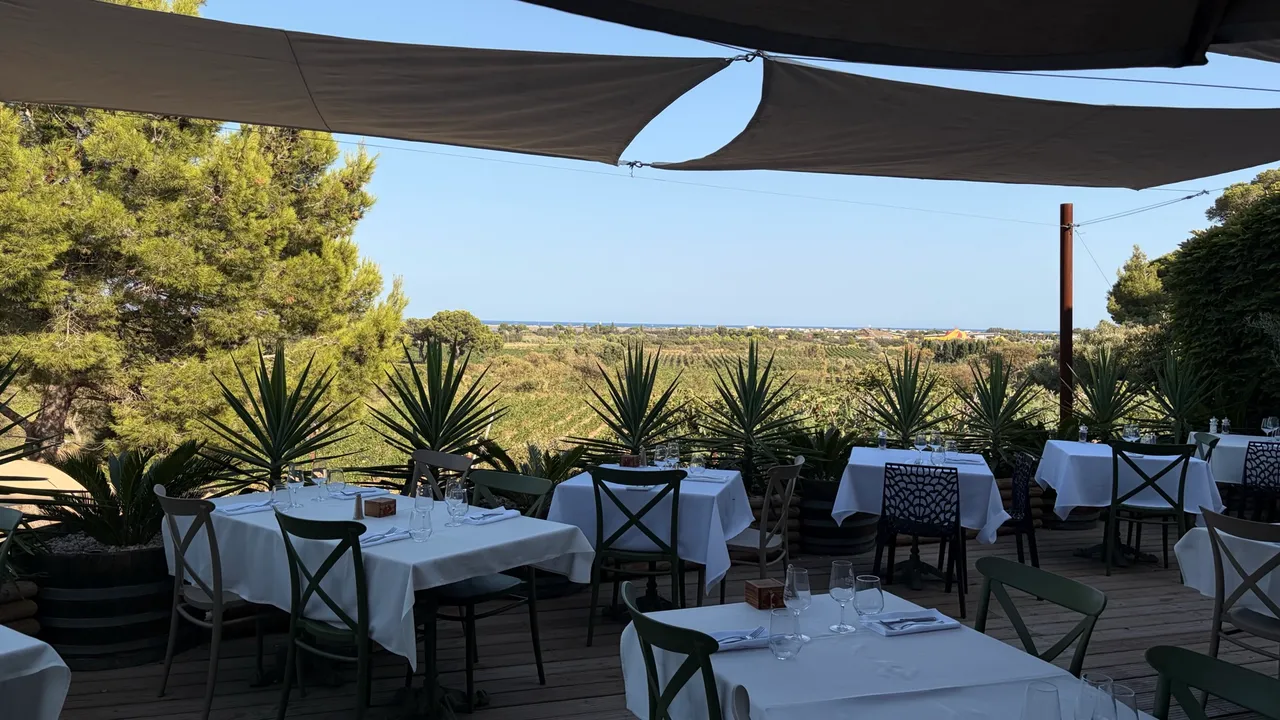
Château Capitoul is the closest estate — a 25-minute walk from us, or 5 minutes by car. Free tasting in the shop (note: closed over lunch), plus the terrace of the asado restaurant overlooking the vines. It is loveliest in the evening, when the vineyards lie in the light of the setting sun — do book ahead.
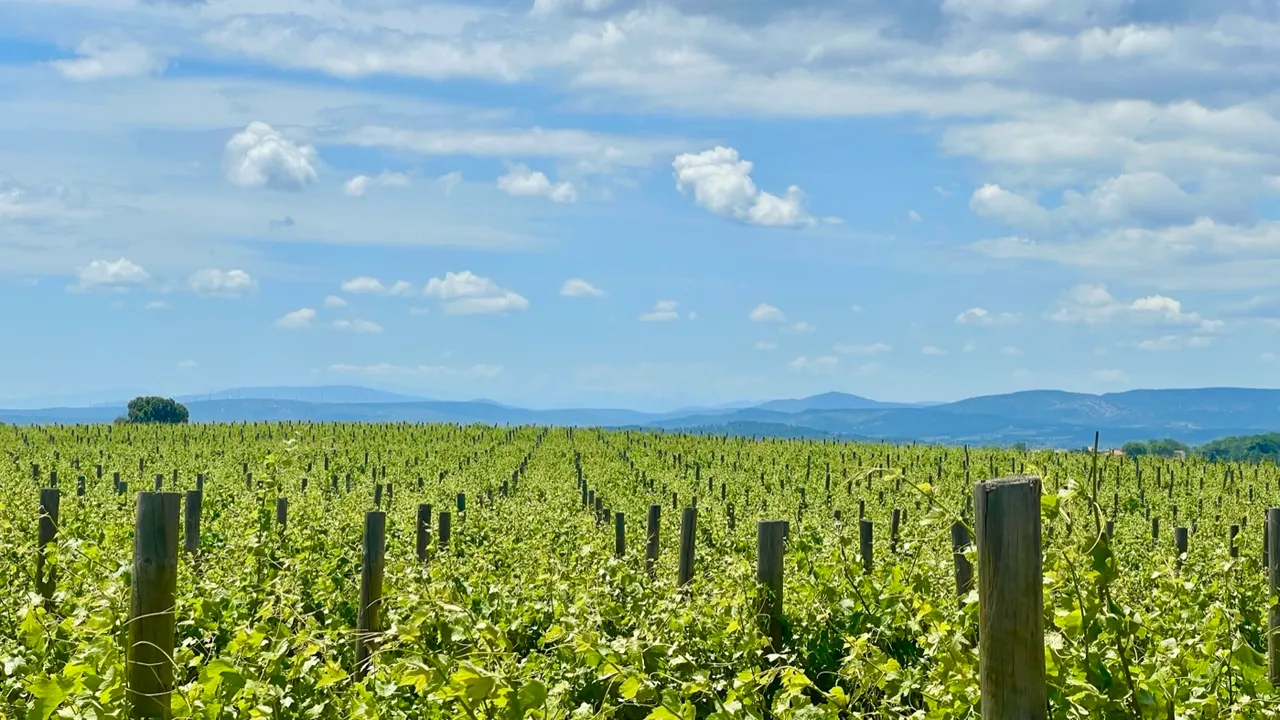
Château L'Hospitalet by Gérard Bertrand is the area's most prominent estate: the cave is open all day (no lunch break), all wines can be tasted for free, and the very friendly team loves telling the stories behind them. Add two restaurants, a jazz bar and an annual jazz festival — not exactly cheap, but very lovely. The awards speak for themselves: the Grand Vin Rouge 2017 was named best red wine in the world with 97 points at the International Wine Challenge 2019 — and with the Clos du Temple, the most expensive rosé in the world sits on the shelf here too (around €200, "Best Rosé in the World" at the Global Rosé Masters 2020).
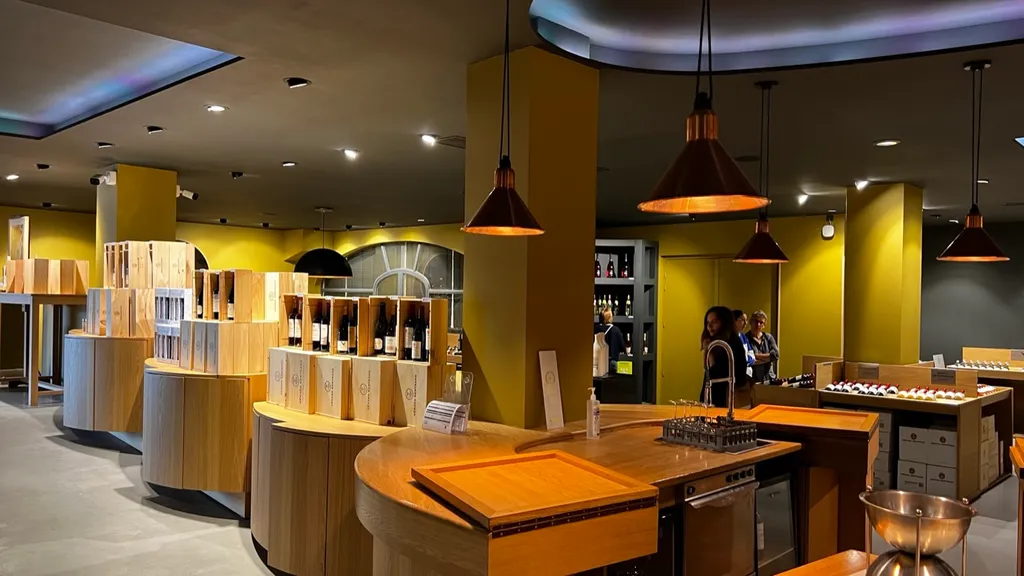
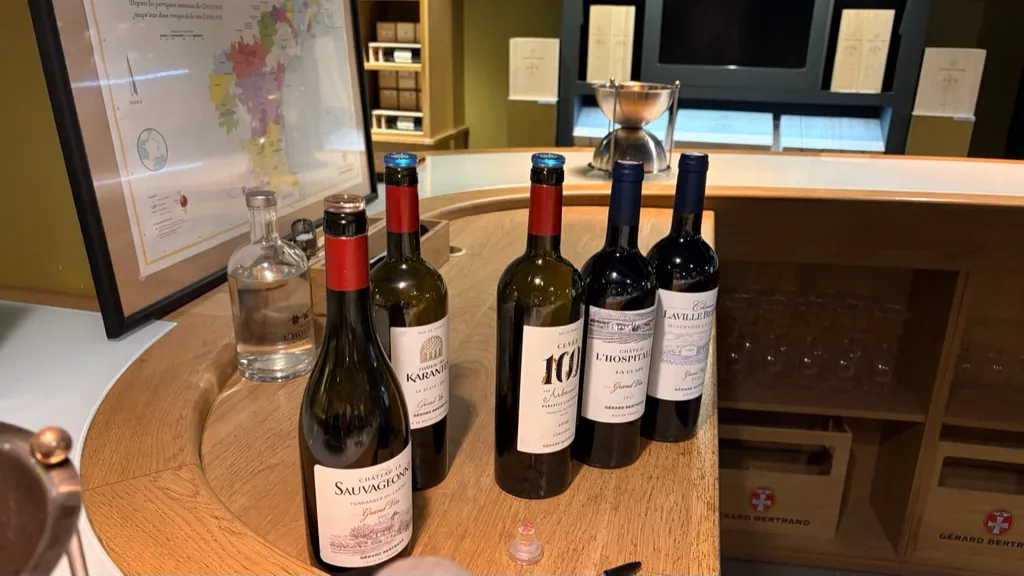
Also worth a stop: Château Ricardelle, Château Rouquette-sur-Mer and Château Le Bouis near Gruissan — all with a wine shop, free tasting and plenty of warmth.
Our La Clape loop
For a full day of indulgence we have linked our favourite stops into one loop: 48 kilometres, a good 1¼ hours of pure driving time — with wine estates, a lunch stop and beaches along the way. Allow at least half a day; with a swim and a long lunch, happily a whole one. And perhaps you will discover your own secret spot along the way. The same loop also works on a road bike — that version, with elevation profiles, is in our cycling article.
The loop from Salty Dayz: Château Capitoul → Château Ricardelle → Sarrat de Goundy → Château L'Hospitalet → Château Rouquette-sur-Mer → Plage de Mateille → Château Le Bouis → Gruissan with Le Salin — and back. Ask us on site, we will gladly send you off with the route and up-to-date tips.
For completists: the Atlas eight
If you like it thorough: no fewer than eight estates in our immediate surroundings are counted among the world's notable wine estates by the great wine atlas (Hugh Johnson & Jancis Robinson). The first five can be combined in a good hour of driving:
- Château Ricardelle — sits unmissably at the roundabout before the massif — from us, even an easy bike ride.
- Château Pech Redon — opposite, the road climbs into the massif; at its end waits this high-altitude estate.
- Château L'Hospitalet — Gérard Bertrand's flagship with hotel, restaurants and jazz festival — details above.
- Mas du Soleilla — small (22 ha) but exquisite: led to the top of the region by Swiss winemaker Peter Wildbolz from 2002, part of the Gérard Bertrand portfolio since 2018.
- Château Rouquette-sur-Mer — above Narbonne-Plage — the bottle in the Grands Buffets wine rack comes from here.
- Château La Negly — cult estate with plots reaching down to the sea.
- Château d'Anglès — known for its classic La Clape whites.
- Château Pech-Céleyran Saint-Exupéry — with family ties to the author of The Little Prince.
The northern flank at Fleury
On the seaward side of the massif, around Fleury-d'Aude, sits a whole neighbourhood of good addresses: alongside La Négly and d'Anglès from the Atlas list, we like the wines of Château Moyau, Château Mire l'Étang and Château Bouïsset — so far only from the glass, though; we still owe them a visit.
And if you would rather not drive to the estates …
… let us recommend our favourite wine shop: Vie d'Oc in Gruissan, by the Mateille. The master caviste — listed among France's best wine merchants for years — knows every one of his winemakers personally, gives wonderful advice and stocks a huge selection from the whole region, well beyond La Clape. Browse online at vie-d-oc.fr; there is a second shop in Narbonne.
Frequently asked questions
- Do you need to book a wine tasting in La Clape?
- In the summer season you can drop in spontaneously at almost all estates — most have a tasting room where you taste for free. Only guided tours, vineyard walks or tastings with food should be booked in advance.
- How much does a wine tasting cost?
- In the tasting room, usually nothing — tasting is part of selling the wine. If you like, take a few bottles with you afterwards; there is no obligation.
- Which estate is best for a first visit?
- Our favourite is Sarrat de Goundy — everything about it is just right. Closest is Château Capitoul: 5 minutes by car from Salty Dayz, with a restaurant terrace above the vines.
- Can you do it without a car?
- Yes — Château Capitoul is about a 25-minute walk from Salty Dayz, Château Ricardelle an easy bike ride. For the big loop through the massif you need a car (and someone who only sips at the tastings).
- What are the wines of La Clape known for?
- For powerful, spicy red blends of Syrah, Grenache, Mourvèdre and Carignan — and for a rarity: fresh, mineral whites from the old Bourboulenc grape. Since 2015, La Clape has been a protected appellation (AOP) in its own right.